
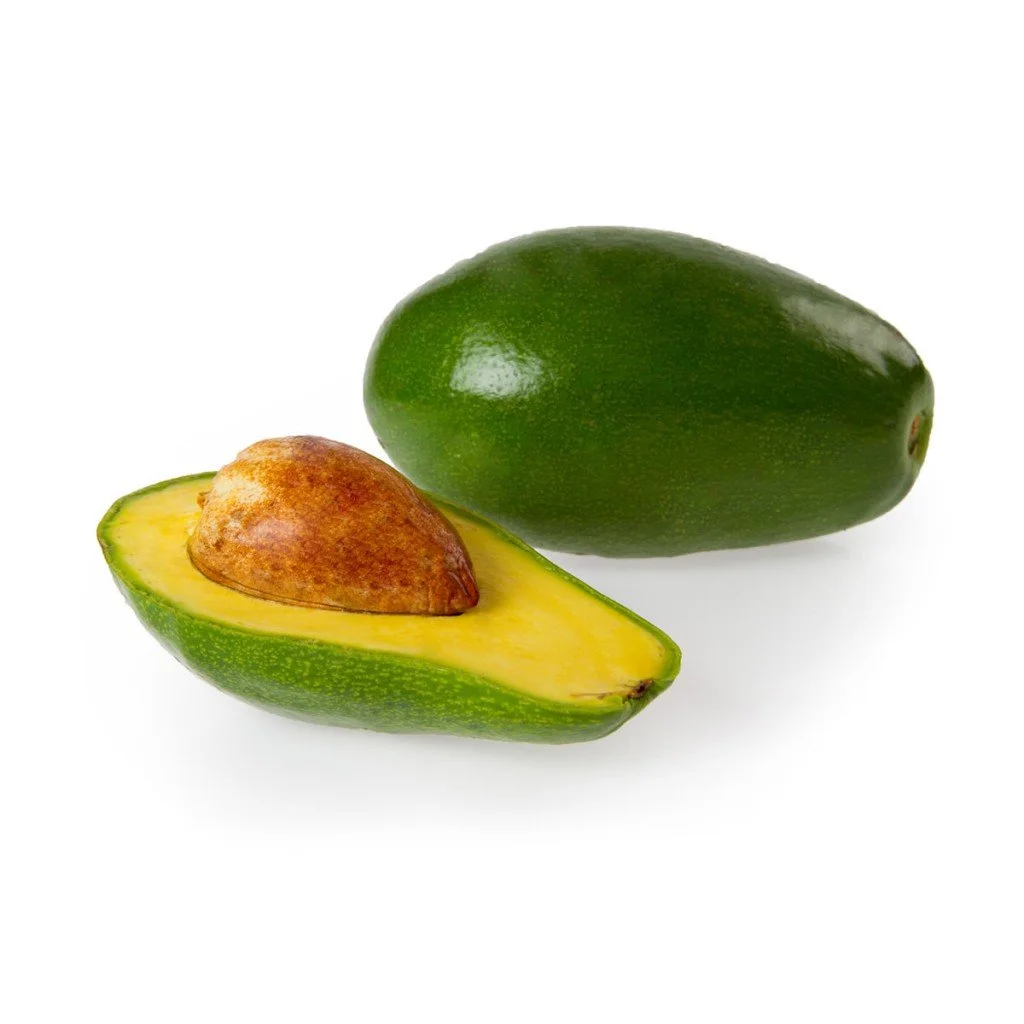
Avocado
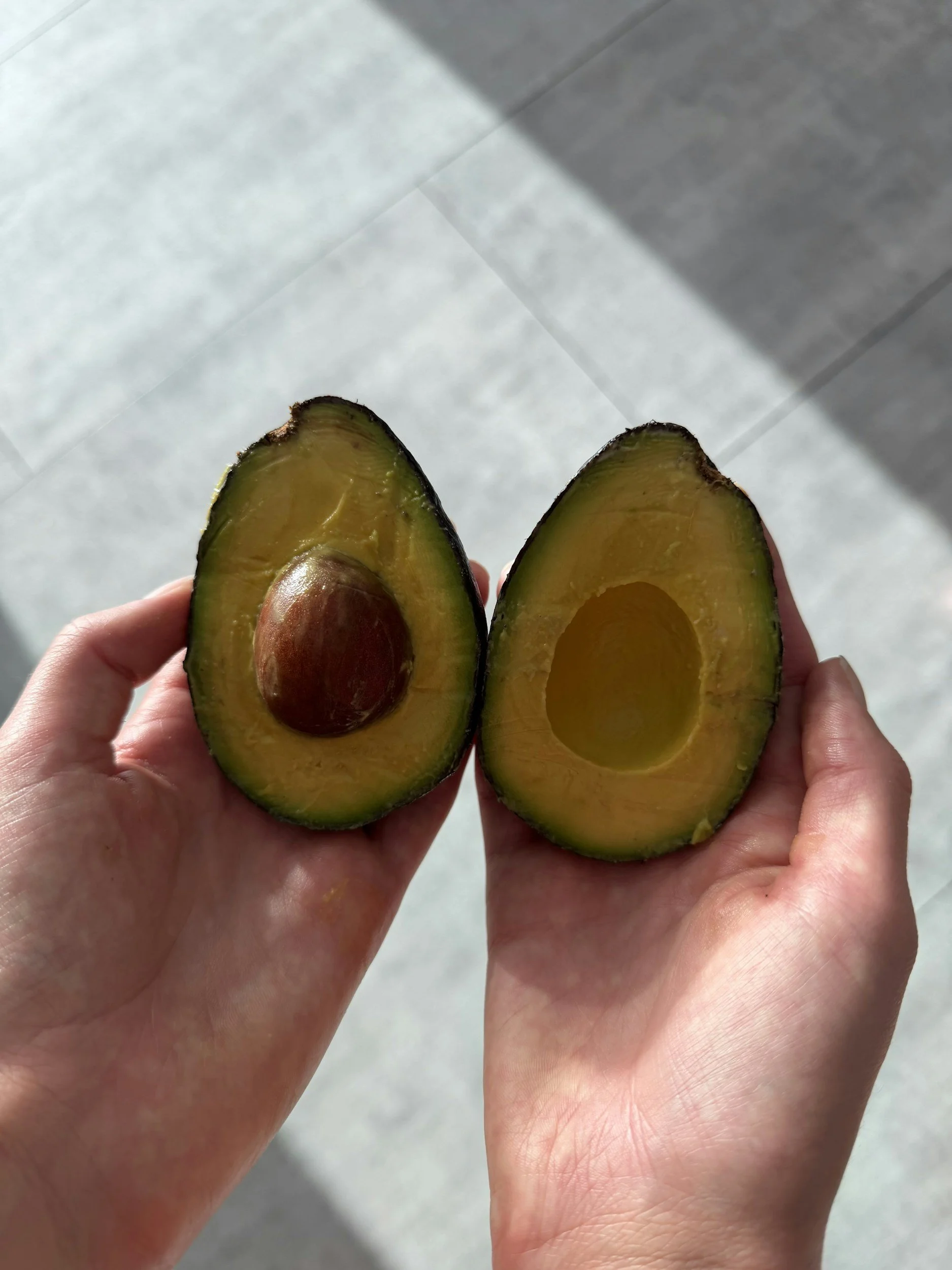
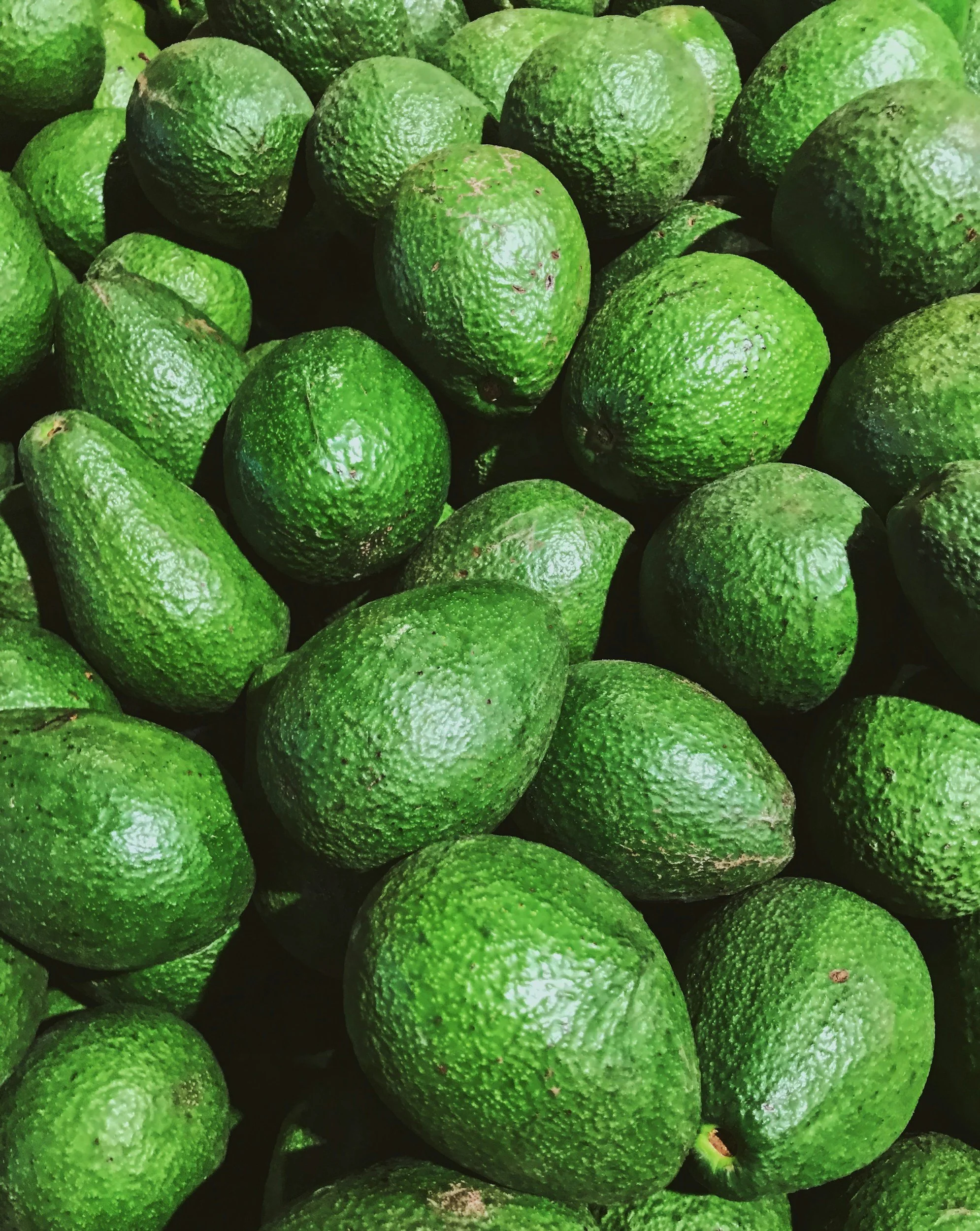
Avocado is a nutrient-rich tropical fruit belonging to the Persea americana species of the Lauraceae family. Known for its smooth, creamy texture, mild buttery flavor, and distinctive green flesh, avocados grow on evergreen trees in tropical and subtropical regions. Depending on the variety, their skin ranges from smooth and bright green to rough and dark purple-black when ripe. Carefully harvested at physiological maturity, avocados typically measure approximately 7–20 cm in length and 5–10 cm in diameter, depending on the variety and growing conditions. Their rich texture and versatility make them ideal for guacamole, salads, sandwiches, smoothies, spreads, and a wide variety of culinary applications.
Health Benefits
Rich in healthy fats — Contains heart-healthy monounsaturated fats that help support cardiovascular health and the absorption of fat-soluble vitamins.
Excellent source of dietary fiber — Supports healthy digestion, promotes fullness, and contributes to overall digestive wellness.
Provides essential vitamins & minerals — Including potassium, vitamin K, vitamin E, folate, vitamin B6, and vitamin C, which support immune function, normal metabolism, and overall wellness.

Parameter
Temp. 0–2°C (32–36°F)
Shelf Life 7-14 days
Pallet 300-320 Boxes
Relative Humidity 95-100%
Temp. 0–2°C (32–36°F) Shelf Life 7-14 days Pallet 300-320 Boxes Relative Humidity 95-100%
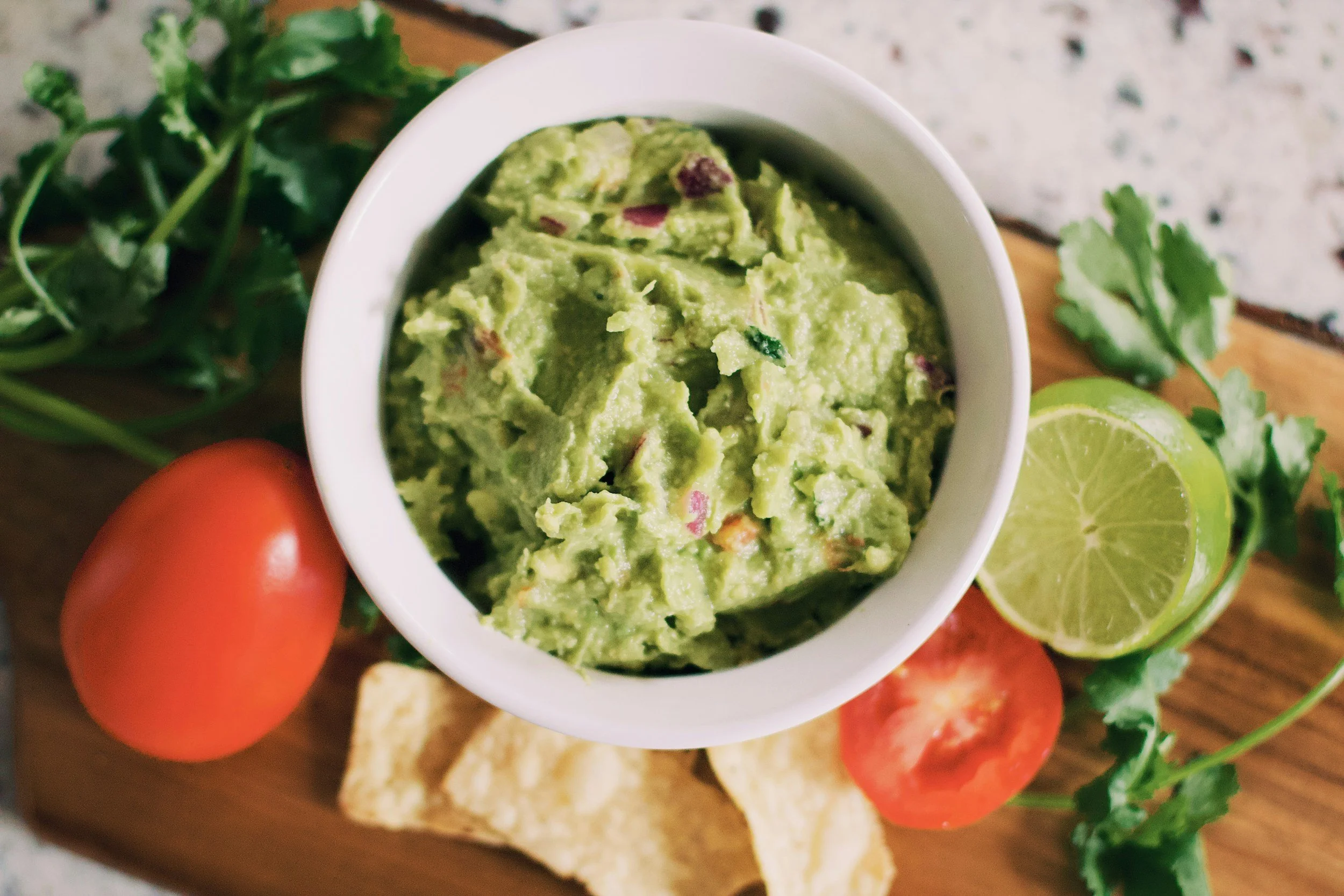
Guacamole

-
Prep Time: 15 minutes Cook Time: None Servings: 4–6 Difficulty: Easy
Ingredients
For the Guacamole
3 ripe avocados
1 medium Roma tomato, finely diced
¼ cup red onion, finely chopped
1–2 tablespoons fresh lime juice
2 tablespoons fresh cilantro, chopped
1 small jalapeño pepper, seeded and finely minced
1 garlic clove, minced
½ teaspoon salt (or to taste)
¼ teaspoon freshly ground black pepper
Optional for Extra Flavor
¼ teaspoon ground cumin for a subtle earthy flavor
1 serrano pepper for additional heat
1 tablespoon extra virgin olive oil for a smoother texture
¼ teaspoon smoked paprika for a smoky touch
Optional for Serving
Tortilla chips
Fresh vegetable sticks
Tacos, burritos, or quesadillas
Grilled chicken or steak
Toasted bread or avocado toast
Chef's Tip: Choose ripe avocados that yield slightly to gentle pressure without feeling overly soft. For the best guacamole, mash the avocados with a fork rather than blending them. This preserves a slightly chunky texture and allows the fresh ingredients to stand out. Add the lime juice immediately after mashing to help slow browning and enhance the flavor.
-
Prep Time: 15 minutes Cook Time: None Servings: 4–6 Difficulty: Easy
1. Prepare the Avocados: Cut the ripe avocados in half lengthwise and carefully remove the pits. Scoop the flesh into a medium mixing bowl using a spoon.
2. Mash the Avocados: Using a fork or potato masher, gently mash the avocado flesh until it reaches your desired consistency. Leave some small chunks for a more traditional, rustic texture.
3. Add the Lime Juice: Pour the fresh lime juice over the mashed avocados and gently mix. This enhances the flavor while helping slow the natural browning process.
4. Prepare the Fresh Vegetables: Finely dice the Roma tomato, red onion, and jalapeño pepper. Mince the garlic and chop the fresh cilantro. Remove the jalapeño seeds for a milder flavor, or leave some in for additional heat.
5. Combine the Ingredients: Add the diced tomato, red onion, jalapeño, minced garlic, and chopped cilantro to the mashed avocados. Gently fold everything together until evenly distributed.
6. Season the Guacamole: Sprinkle in the salt and freshly ground black pepper. If desired, add a pinch of ground cumin or smoked paprika for additional depth of flavor.
7. Adjust the Flavor: Taste the guacamole and adjust the seasoning as needed. Add more lime juice for acidity, salt to enhance the flavors, or additional jalapeño for extra heat.
8. Mix Until Well Combined: Gently stir the mixture until all ingredients are incorporated, being careful not to overmix. The guacamole should remain creamy with small pieces of avocado and vegetables throughout.
9. Garnish and Serve: Transfer the guacamole to a serving bowl and garnish with freshly chopped cilantro, diced tomatoes, or a few thin slices of jalapeño.
10. Serve and Enjoy: Serve immediately with tortilla chips, fresh vegetables, tacos, burritos, quesadillas, or grilled meats for a fresh and flavorful accompaniment.
Chef's Tip: For the freshest flavor and vibrant green color, prepare guacamole shortly before serving. If storing, press plastic wrap directly against the surface to minimize air exposure, place in an airtight container, and refrigerate. For best quality, enjoy within 1–2 days.
-
CULTURE
Since 1986 is annually held the AvoFest in Carpinteria (California), a festival dedicated to avocados. During its three-day-long the festival welcomes more than 100.000 people. Admission to the festival is completely free where you can find many activities related to avocado and several stages with live music. The festival is also known for having the world’s largest vat of guacamole.
ORIGIN
The fruit has Central American origin, concretely from Mexico. The main producers are the USA, Mexico, Brazil, Dominican Republic and Colombia.