
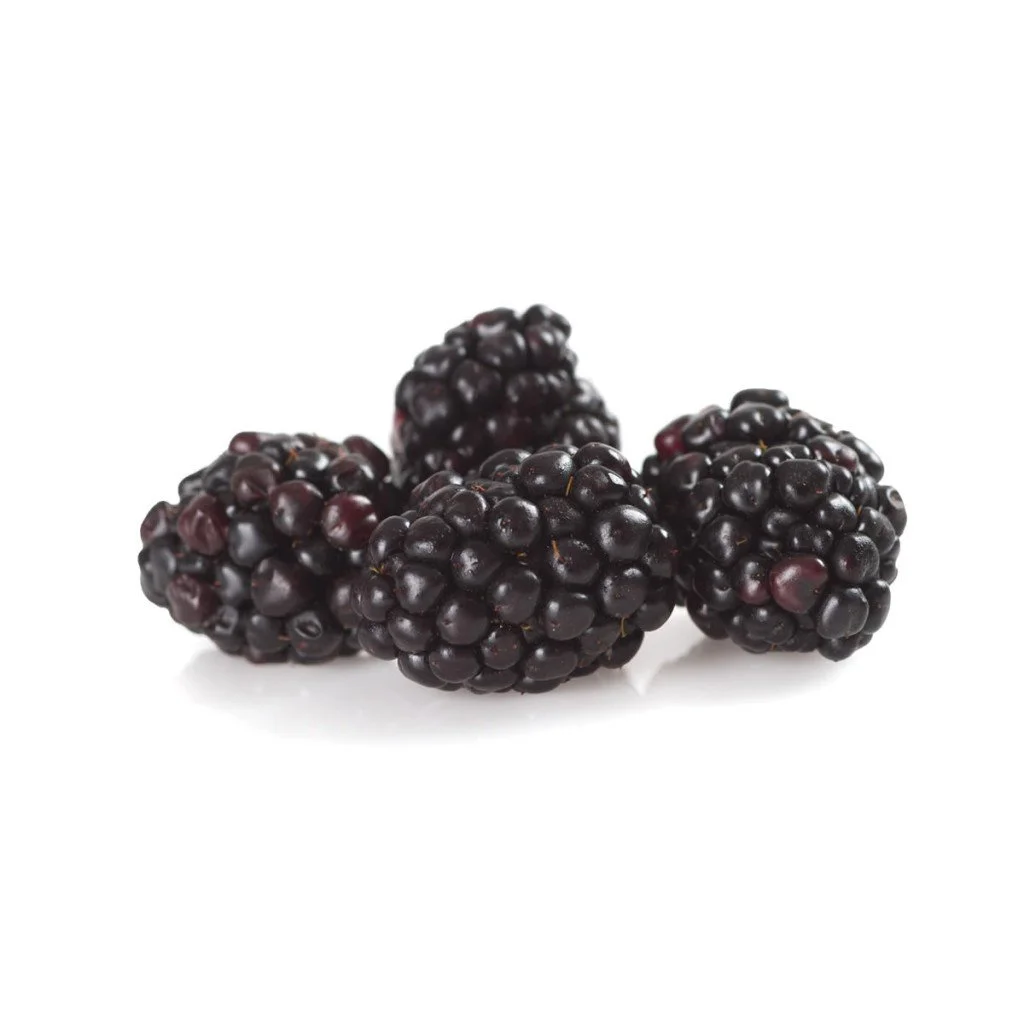
Blackberries
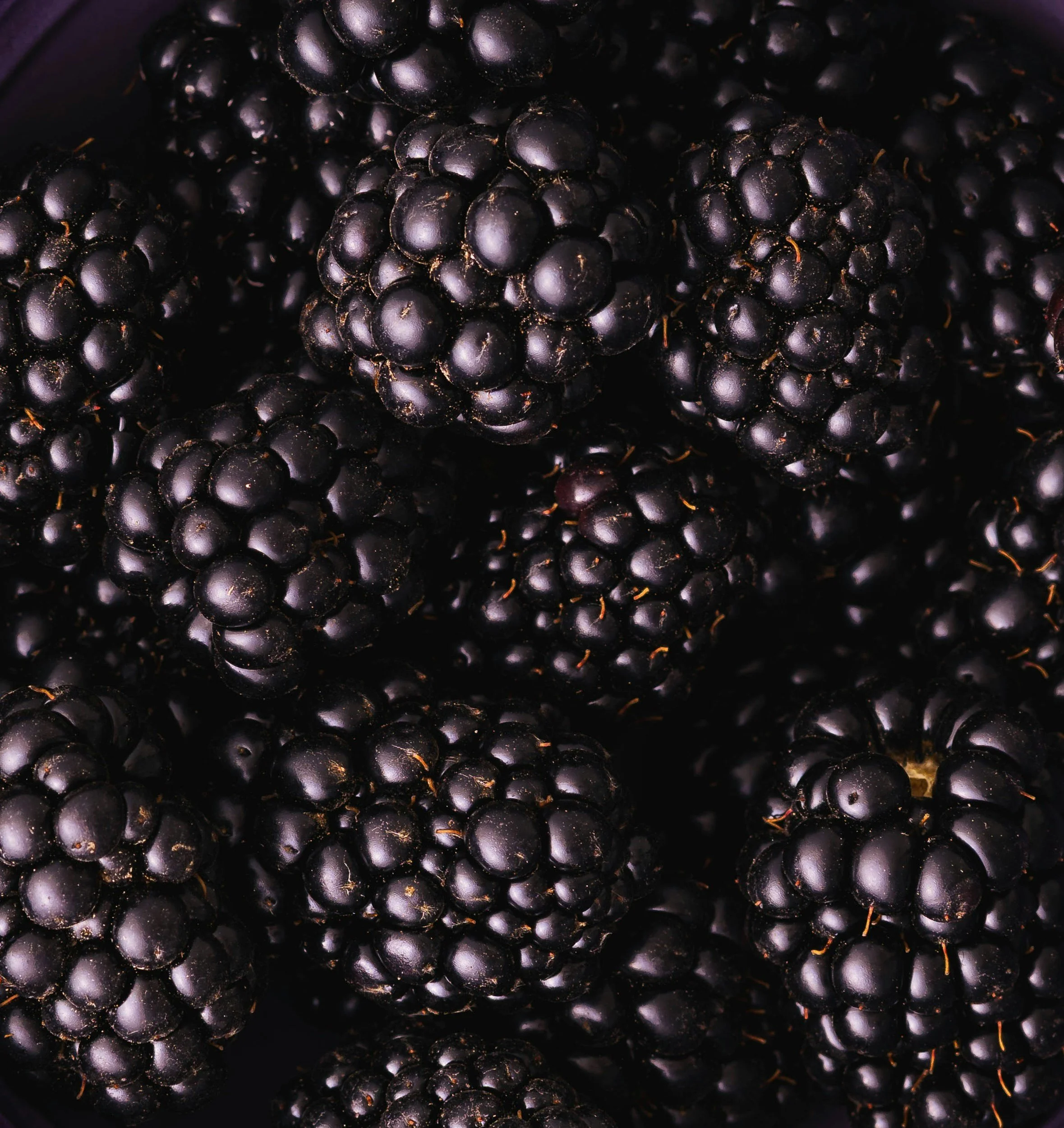
Blackberries are a delicious and nutrient-rich fruit belonging to the Rubus genus of the Rosaceae family. Known for their deep purple-black color, juicy texture, and balanced sweet-tart flavor, blackberries are harvested at peak ripeness to ensure optimal freshness and quality. Each berry is made up of small, juicy drupelets and typically measures approximately 1.5–3 cm in length, making them ideal for fresh consumption, desserts, smoothies, salads, and a variety of culinary applications.
Health Benefits
Rich in antioxidants — Contains anthocyanins and other beneficial compounds that help protect cells from oxidative stress.
Excellent source of dietary fiber — Supports healthy digestion and helps promote fullness.
Provides essential vitamins & minerals — Including vitamin C, vitamin K, manganese, and other micronutrients that support immune function, bone health, and overall wellness.

Parameter
Temp. 0–2°C (32–36°F)
Shelf Life 7-14 days
Pallet 300-320 Boxes
Relative Humidity 95-100%
Temp. 0–2°C (32–36°F) Shelf Life 7-14 days Pallet 300-320 Boxes Relative Humidity 95-100%
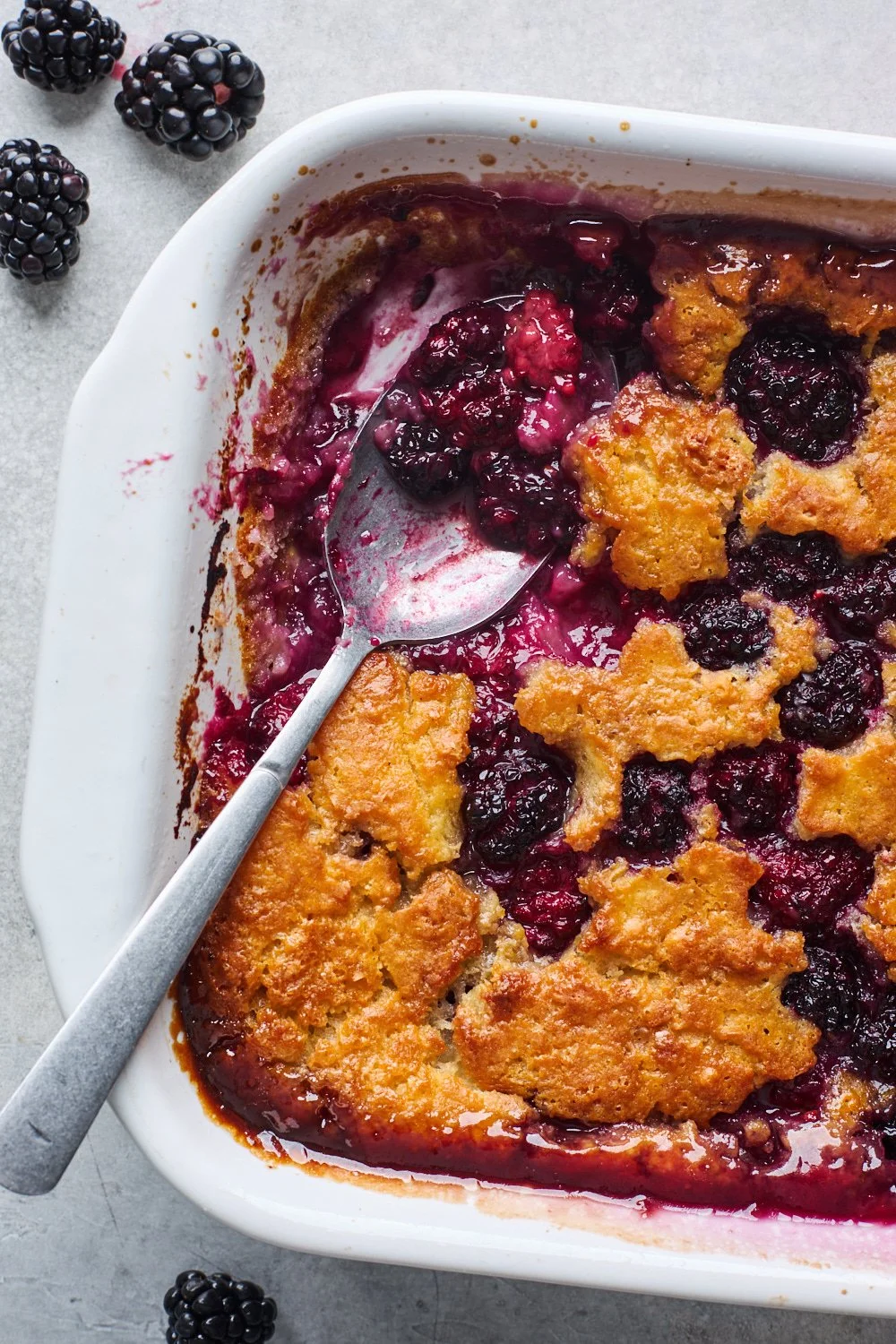
Blackberry Cobbler

-
For the Blackberry Filling
4 cups fresh blackberries
½ cup granulated sugar
1 tablespoon fresh lemon juice
1 teaspoon lemon zest (optional)
1 tablespoon cornstarch
½ teaspoon vanilla extract
For the Cobbler Topping
1 cup all-purpose flour
½ cup granulated sugar
1½ teaspoons baking powder
¼ teaspoon salt
½ cup whole milk
½ cup unsalted butter, melted
1 teaspoon vanilla extract
Optional for Serving
Vanilla ice cream
Whipped cream
Fresh blackberries
-
Prep Time: 15 minutes Cook Time: 40–45 minutes Servings: 6–8
1. Preheat the Oven: Preheat your oven to 350°F (175°C). Lightly grease a 9-inch square baking dish.
2. Prepare the Blackberry Filling: In a large mixing bowl, combine the fresh blackberries, sugar, lemon juice, lemon zest, cornstarch, and vanilla extract. Gently toss until the berries are evenly coated. Set aside.
3. Make the Cobbler Batter: In a separate bowl, whisk together the flour, sugar, baking powder, and salt. Gradually add the milk and vanilla extract, stirring until a smooth batter forms.
4. Prepare the Baking Dish: Pour the melted butter evenly into the bottom of the prepared baking dish. Carefully pour the cobbler batter over the butter without stirring.
5. Add the Blackberries: Spoon the blackberry mixture evenly over the batter, including any juices. Do not stir, as the batter will rise around the fruit during baking.
6. Bake Until Golden: Place the baking dish in the preheated oven and bake for 40–45 minutes, or until the topping is golden brown and the blackberry filling is bubbling around the edges.
7. Allow to Cool: Remove the cobbler from the oven and let it rest for approximately 10–15 minutes. This allows the filling to thicken slightly while keeping the cobbler warm.
8. Serve and Enjoy: Serve warm with a scoop of vanilla ice cream or a dollop of whipped cream. Garnish with fresh blackberries for an extra touch of flavor and presentation.
Chef's Tip: For an extra golden, slightly crisp topping, sprinkle a tablespoon of granulated sugar over the cobbler before baking.
-
CULTURE
In ancient times, blackberries were used to dye hair dark, since one of the characteristics of the fruit is the dye that bleeds from the fruit. During the time of ancient Greece, the dye was known as "blood of the titans" for its dark color which left stubborn stains.
ORIGIN
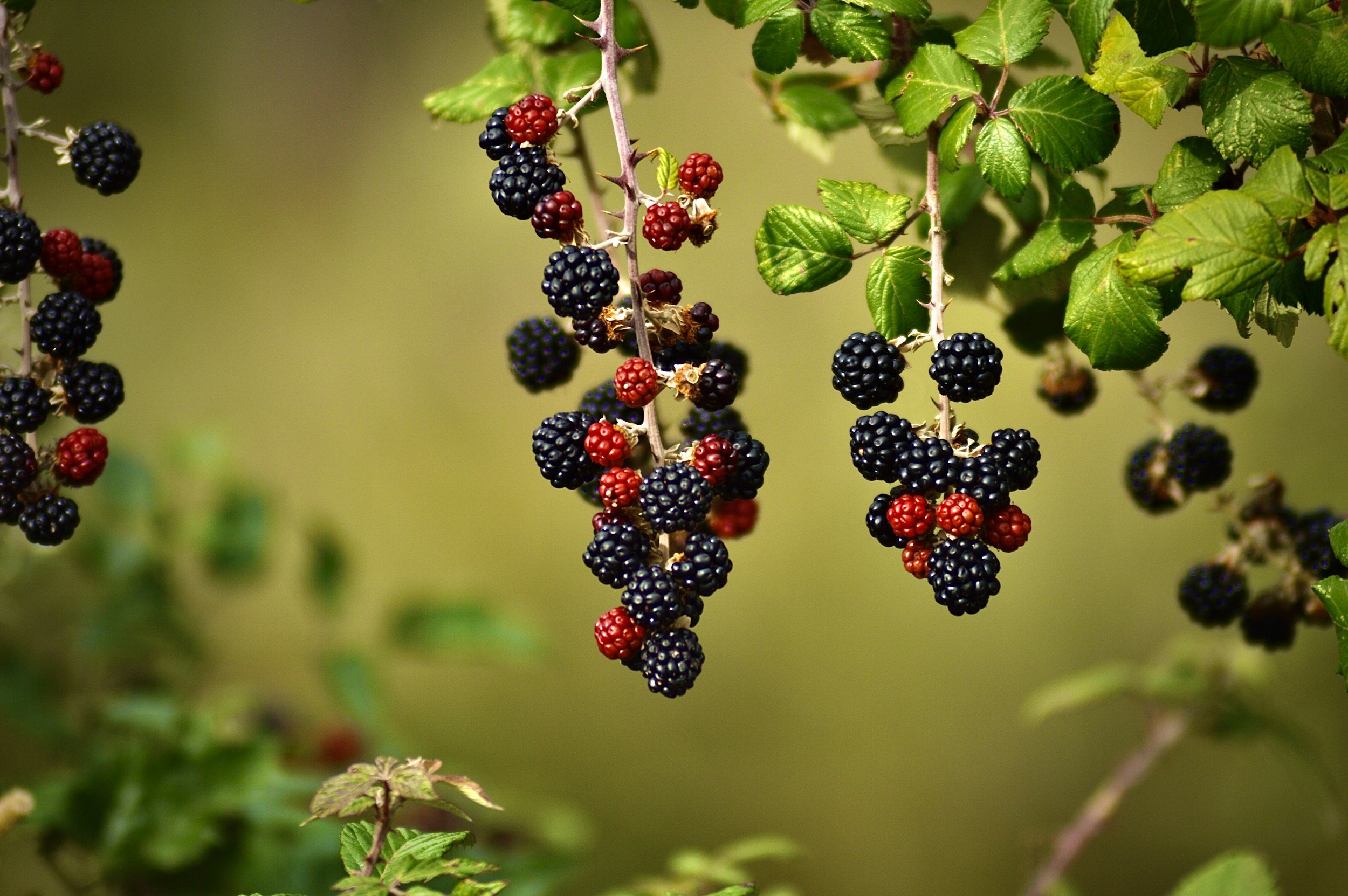
The berries are native to the northern temperate regions arund the globe. There is evidence that its introduction to North America was due to an English grower. Its production is abundant in North America, in the Pacific coast, and in northern Europe.