
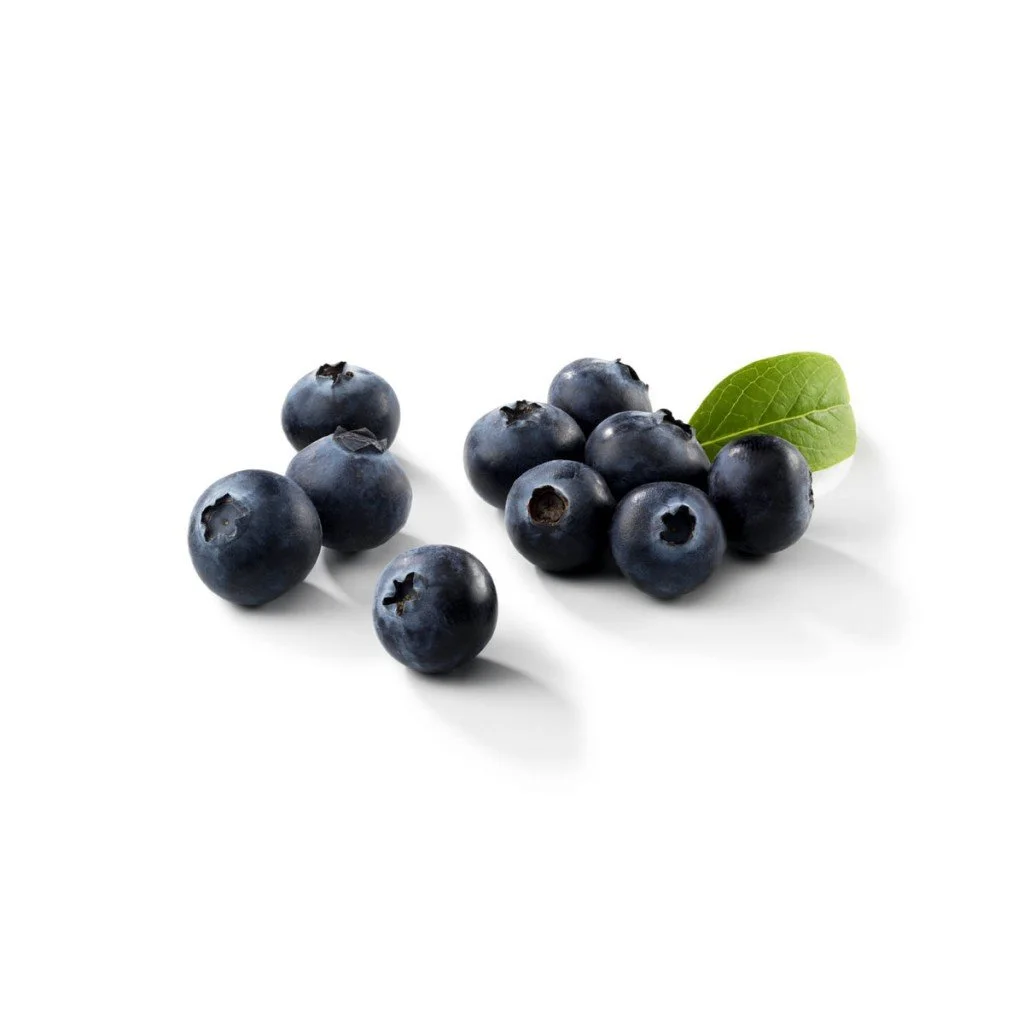
Blueberries
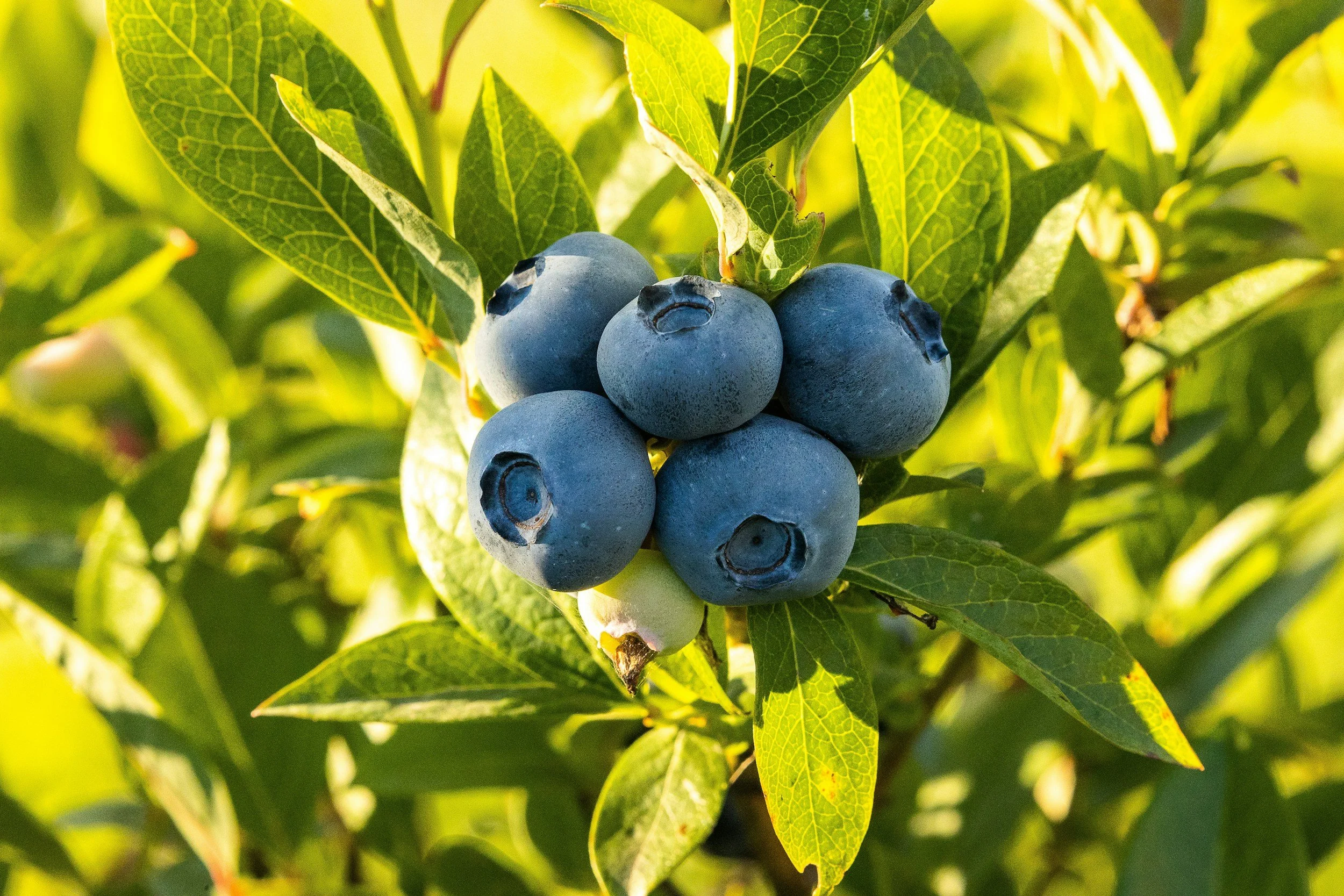
Blueberries are small, nutrient-rich berries belonging to the Vaccinium genus of the Ericaceae family. Known for their vibrant blue-purple color, smooth skin, juicy texture, and naturally sweet flavor with subtle tart notes, blueberries are carefully harvested at peak ripeness to ensure optimal freshness and quality. Each berry typically measures approximately 0.5–1.5 cm in diameter, depending on the variety, making them ideal for fresh consumption, smoothies, baked goods, salads, and a wide range of culinary applications.
Health Benefits
Rich in antioxidants — Contains anthocyanins and other beneficial compounds that help protect cells from oxidative stress.
Good source of dietary fiber — Supports healthy digestion and helps promote fullness.
Provides essential vitamins & minerals — Including vitamin C, vitamin K, and manganese, which contribute to immune function, bone health, and overall wellness.

Parameter
Temp. 0–2°C (32–36°F)
Shelf Life 7-14 days
Pallet 300-320 Boxes
Relative Humidity 95-100%
Temp. 0–2°C (32–36°F) Shelf Life 7-14 days Pallet 300-320 Boxes Relative Humidity 95-100%
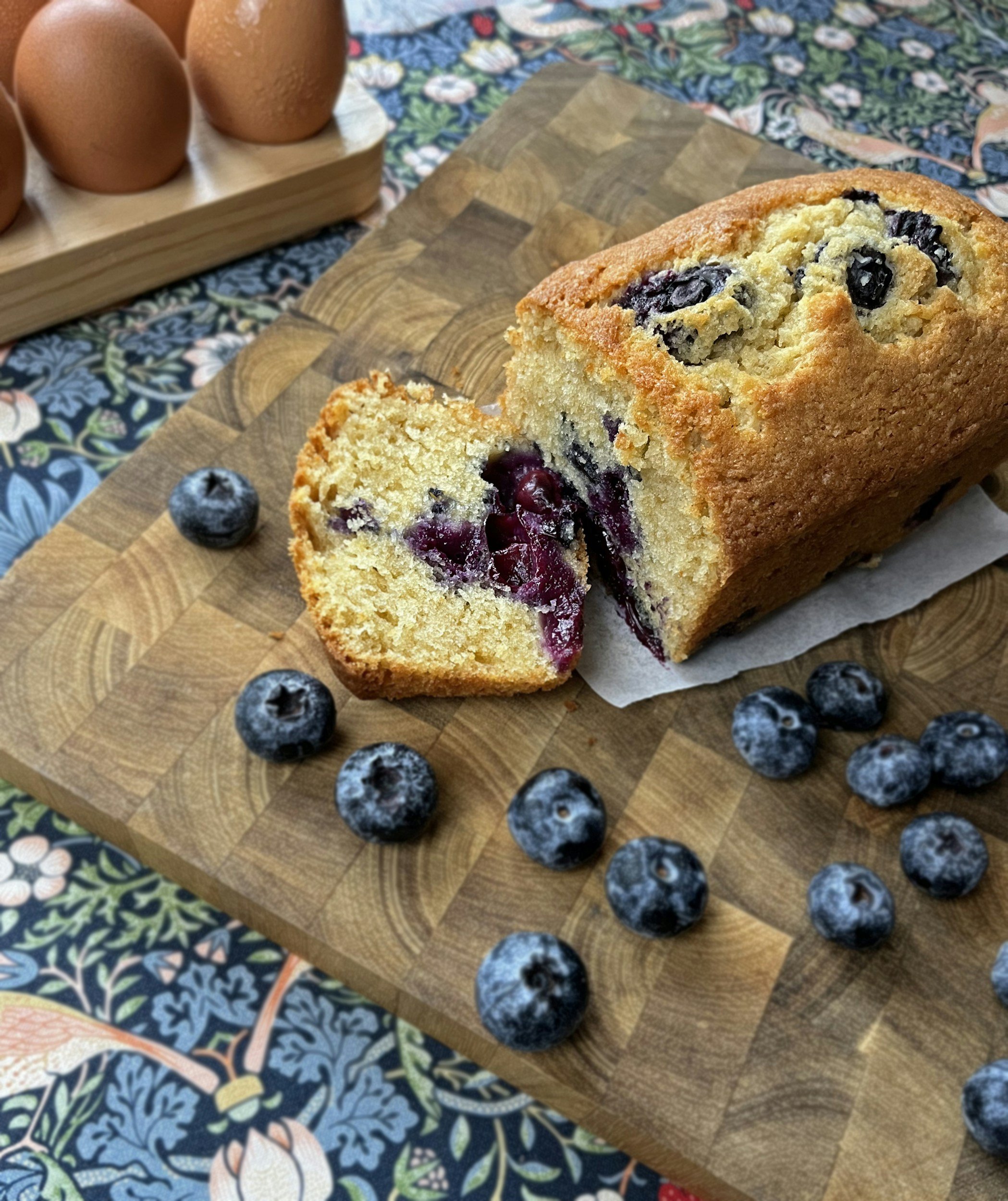
Blueberry Bread

-
Prep Time: 15 minutes Cook Time: 55–65 minutes Servings: 8–10 slices
Ingredients
For the Blueberry Bread
1½ cups fresh blueberries
2 cups all-purpose flour
¾ cup granulated sugar
2 teaspoons baking powder
½ teaspoon salt
½ cup unsalted butter, melted
2 large eggs
½ cup whole milk
1 teaspoon vanilla extract
1 tablespoon fresh lemon zest (optional)
1 tablespoon all-purpose flour (for coating the blueberries)
For the Optional Lemon Glaze
½ cup powdered sugar
1–2 tablespoons fresh lemon juice
½ teaspoon vanilla extract (optional)
-
Prep Time: 15 minutes Cook Time: 55–65 minutes Servings: 8–10 slices
1. Preheat the Oven: Preheat your oven to 350°F (175°C). Lightly grease a 9×5-inch loaf pan or line it with parchment paper for easy removal.
2. Prepare the Blueberries: Wash and thoroughly dry the fresh blueberries. Toss them with 1 tablespoon of all-purpose flour to help prevent them from sinking to the bottom of the bread during baking.
3. Mix the Dry Ingredients: In a large mixing bowl, whisk together 2 cups of all-purpose flour, granulated sugar, baking powder, and salt until evenly combined.
4. Combine the Wet Ingredients: In a separate bowl, whisk together the melted butter, eggs, milk, vanilla extract, and optional lemon zest until smooth.
5. Prepare the Batter: Gradually pour the wet ingredients into the dry ingredients, gently stirring until just combined. Avoid overmixing to ensure a soft, tender texture.
6. Fold in the Blueberries: Carefully fold the flour-coated blueberries into the batter using a spatula, distributing them evenly without crushing the fruit.
7. Bake the Bread: Pour the batter into the prepared loaf pan and spread evenly. Bake for 55–65 minutes, or until the top is golden brown and a toothpick inserted into the center comes out clean or with a few moist crumbs.
8. Allow to Cool: Remove the bread from the oven and let it cool in the pan for approximately 10–15 minutes. Transfer to a wire rack and allow it to cool completely before slicing.
9. Prepare the Optional Lemon Glaze: In a small bowl, whisk together the powdered sugar, fresh lemon juice, and optional vanilla extract until smooth. Adjust the consistency with additional lemon juice if needed.
10. Serve and Enjoy: Drizzle the lemon glaze over the cooled blueberry bread. Slice and serve at room temperature or slightly warm for a delicious breakfast, snack, or dessert.
Chef's Tip: For an extra burst of flavor, sprinkle a little lemon zest over the finished bread. Store in an airtight container at room temperature for up to 2 days or refrigerate for up to 5 days.
-
CULTURE
There are many festivals in North America that feature this berry, primarily for making desserts and jams. Among the best-known festivals are The Florida Blueberry Festival in Brooksville (Florida), The Marshall County Blueberry Festival (Plymouth), Alabama Blueberry Festival (Alabama) and Blueberry Festival Ketchikan (Alaska).
ORIGIN
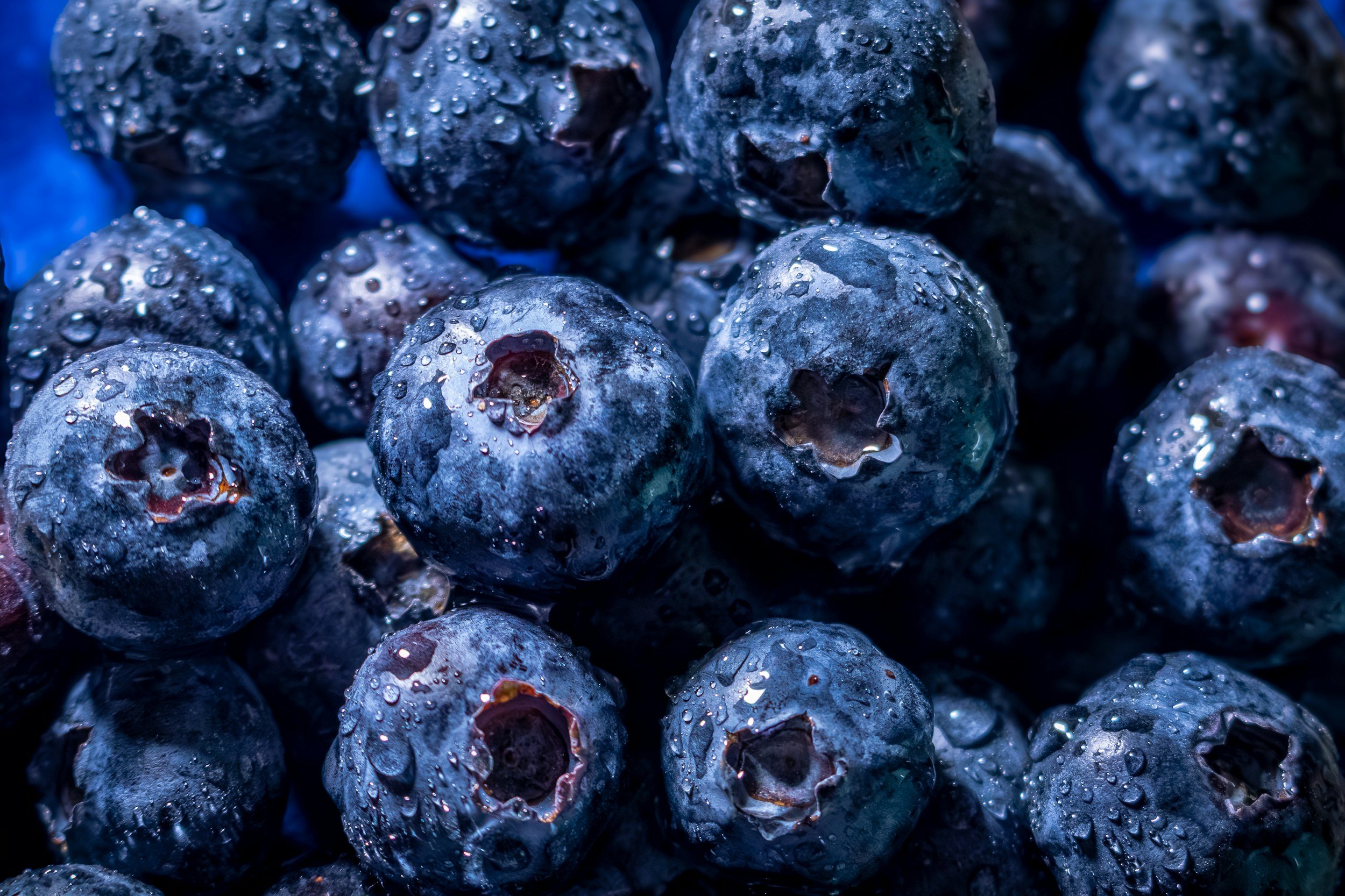
Blueberries are native to North America. The Native Americans added them to their meals and European settlers took advantage of the dye to create gray paint.