
Brussels Sprouts
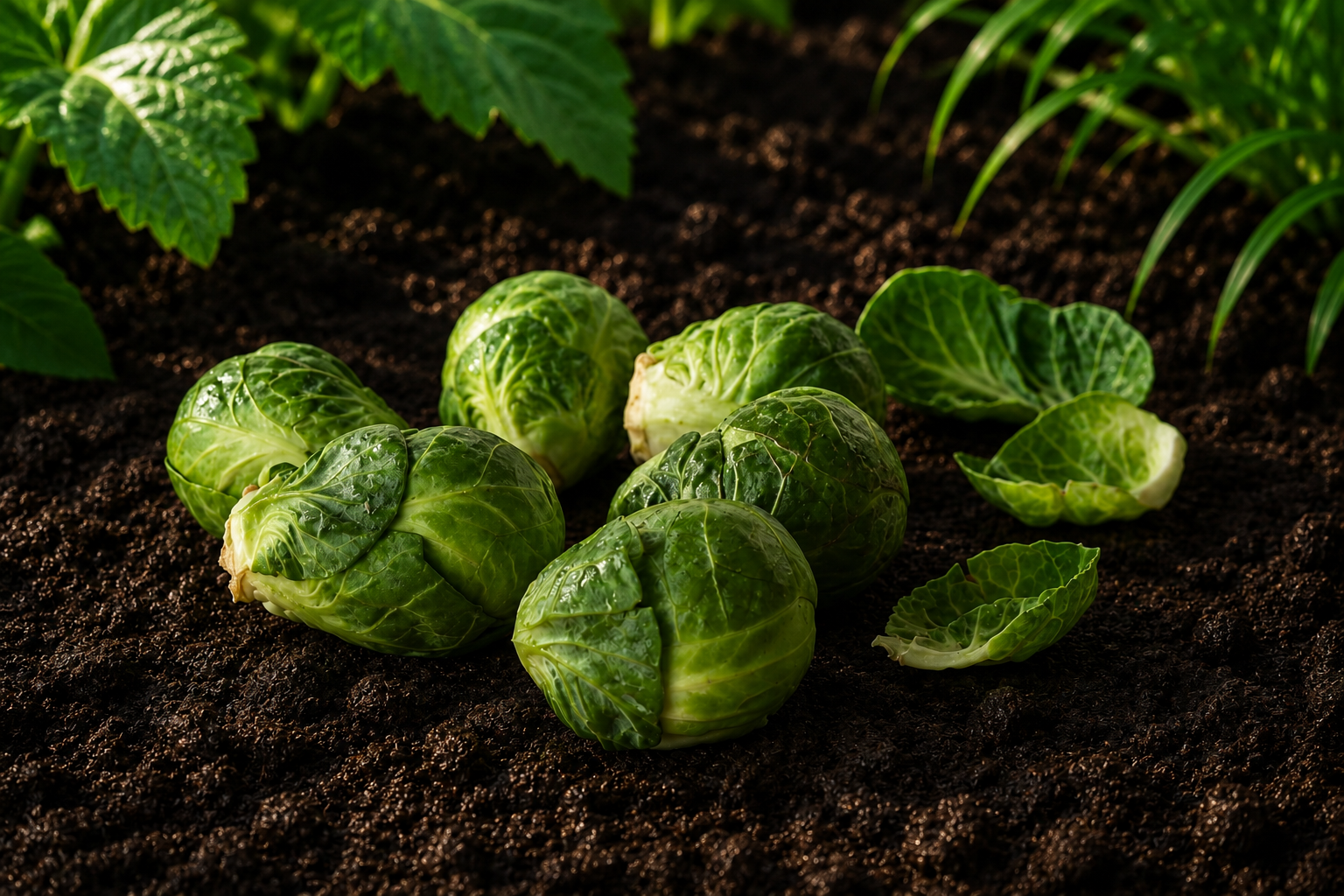
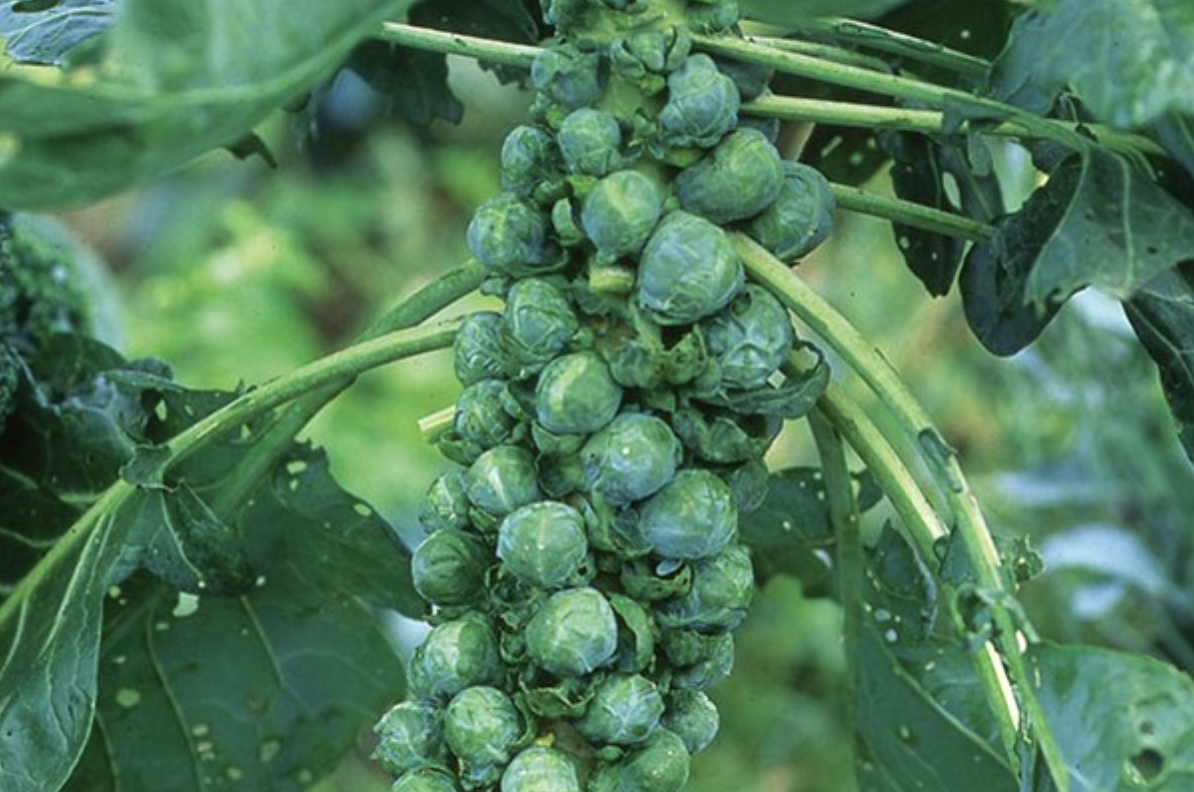
Brussels sprouts belong to the Brassica oleracea family. The sprouts appear on the stem of the plant and their diameter ranges from 2.5 to 5 centimeters. They are harvested once they reach a firm texture. The leaves vary in shades of pistachio to sea green with a creamy yellow-white color inside. There are numerous varieties according to color, size, flavor, and harvesting season.
Nutritional Values
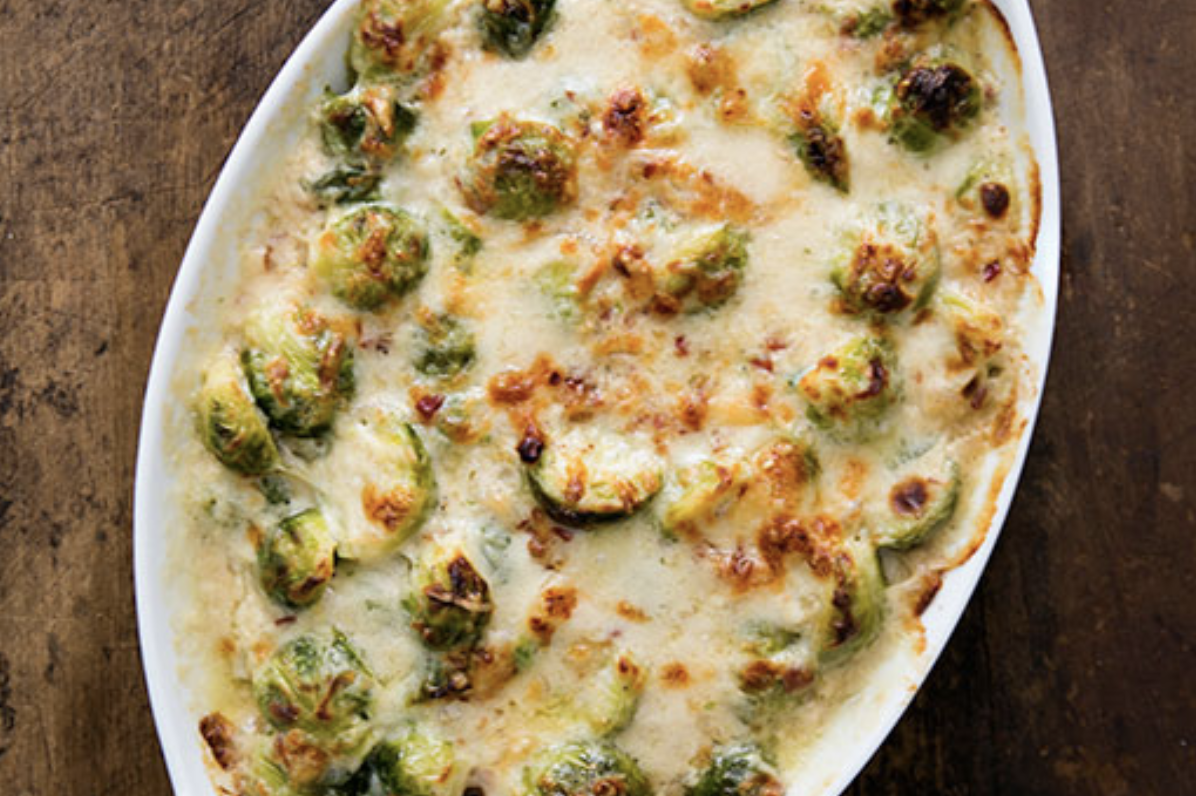
Their flavor is a mixture between an earthy taste and the sweet acidity of cabbage. They can be eaten raw or cooked and are complemented well with almonds, butter, bacon, cheese (like pecorino, Taleggio and some alpine varieties), garlic, mustard, mushrooms, and herbs such as thyme and rosemary. Try them baked with bechamel and sautéed with ham and onions, or steamed ... There are hundreds of ways of cooking this vegetable.

Parameter
Temp. 0–2°C (32–36°F)
Shelf Life 7-14 days
Pallet 300-320 Boxes
Relative Humidity 95-100%
Temp. 0–2°C (32–36°F) Shelf Life 7-14 days Pallet 300-320 Boxes Relative Humidity 95-100%
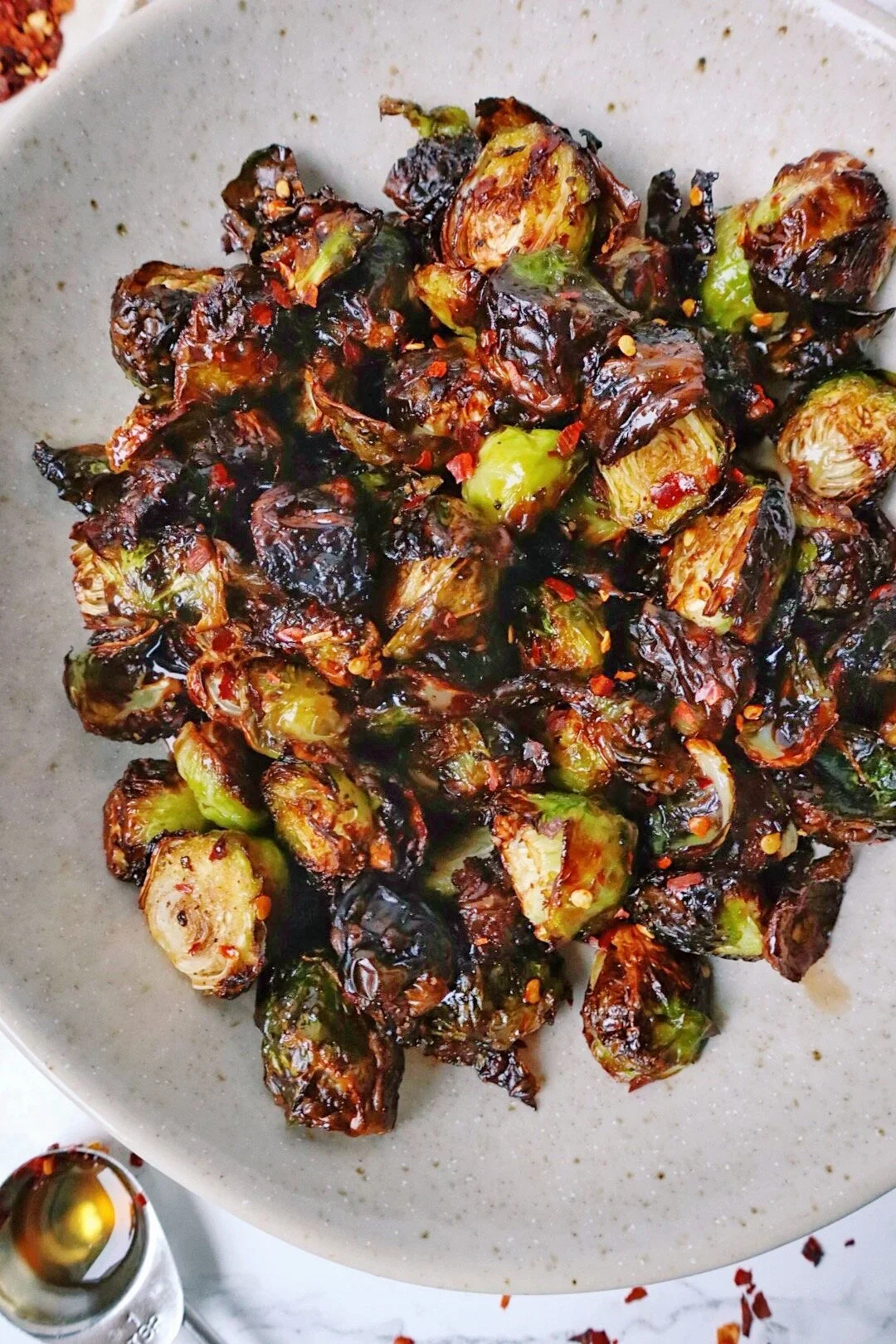
Honey Balsamic Brussel Sprouts

-
500 g fresh Brussels sprouts
2 tablespoons olive oil
2 tablespoons balsamic vinegar
1½ tablespoons honey
2 cloves garlic, minced
½ teaspoon salt
¼ teaspoon black pepper
½ teaspoon smoked paprika
1 teaspoon fresh thyme
1 tablespoon butter (optional)
1 tablespoon sesame seeds (optional, for garnish)
Fresh parsley, chopped (for garnish)
-
1. Preheat the oven: Preheat your oven to 200°C (400°F). Line a large baking sheet with parchment paper.
2. Prepare the Brussels sprouts: Wash and dry the Brussels sprouts thoroughly. Trim the stems, remove any damaged outer leaves, and cut each sprout in half.
3. Season the Brussels sprouts: In a large mixing bowl, combine the Brussels sprouts with olive oil, minced garlic, salt, black pepper, smoked paprika, and fresh thyme. Toss until evenly coated.
4. Arrange on a baking sheet: Spread the Brussels sprouts in a single layer, placing the cut sides down to encourage caramelization.
5. Roast the Brussels sprouts: Place in the preheated oven and roast for 20–25 minutes, until golden brown, crispy on the outside, and tender on the inside.
6. Prepare the honey balsamic glaze: In a small saucepan over low heat, combine the balsamic vinegar, honey, and optional butter. Stir continuously for 2–3 minutes until the mixture is smooth and slightly thickened.
7. Coat the Brussels sprouts: Remove the roasted Brussels sprouts from the oven and transfer them to a large bowl. Drizzle with the honey balsamic glaze and toss gently until evenly coated.
8. Garnish and serve: Sprinkle with sesame seeds and freshly chopped parsley. Serve immediately while warm and crispy.
Preparation Time: 10 minutes Cooking Time: 25 minutes Total Time: 35 minutes Servings: 3–4
-
Pairs well with: grilled chicken, roasted turkey, steak, pork tenderloin, baked salmon, mashed potatoes, or rice dishes.
CULTURE
Brussels sprouts get their name from Brussels, Belgium, where they have been cultivated since at least the 16th century. They became a traditional part of European cuisine and are especially popular in the United Kingdom, where they are commonly served during Christmas dinners.
ORIGIN
Their cultivation began in the 18th century in Belgium, where their consumption spread through Europe and the rest of the world during World War II.