
English Peas
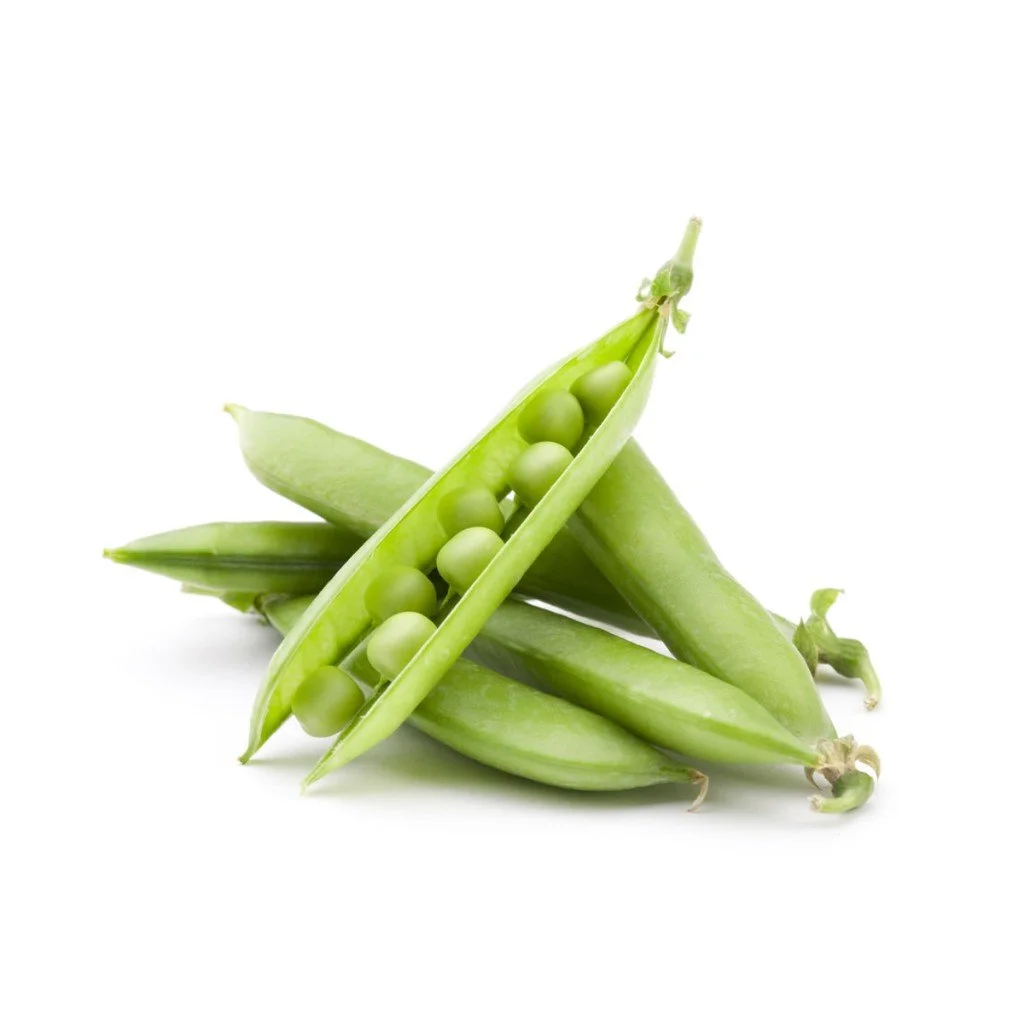
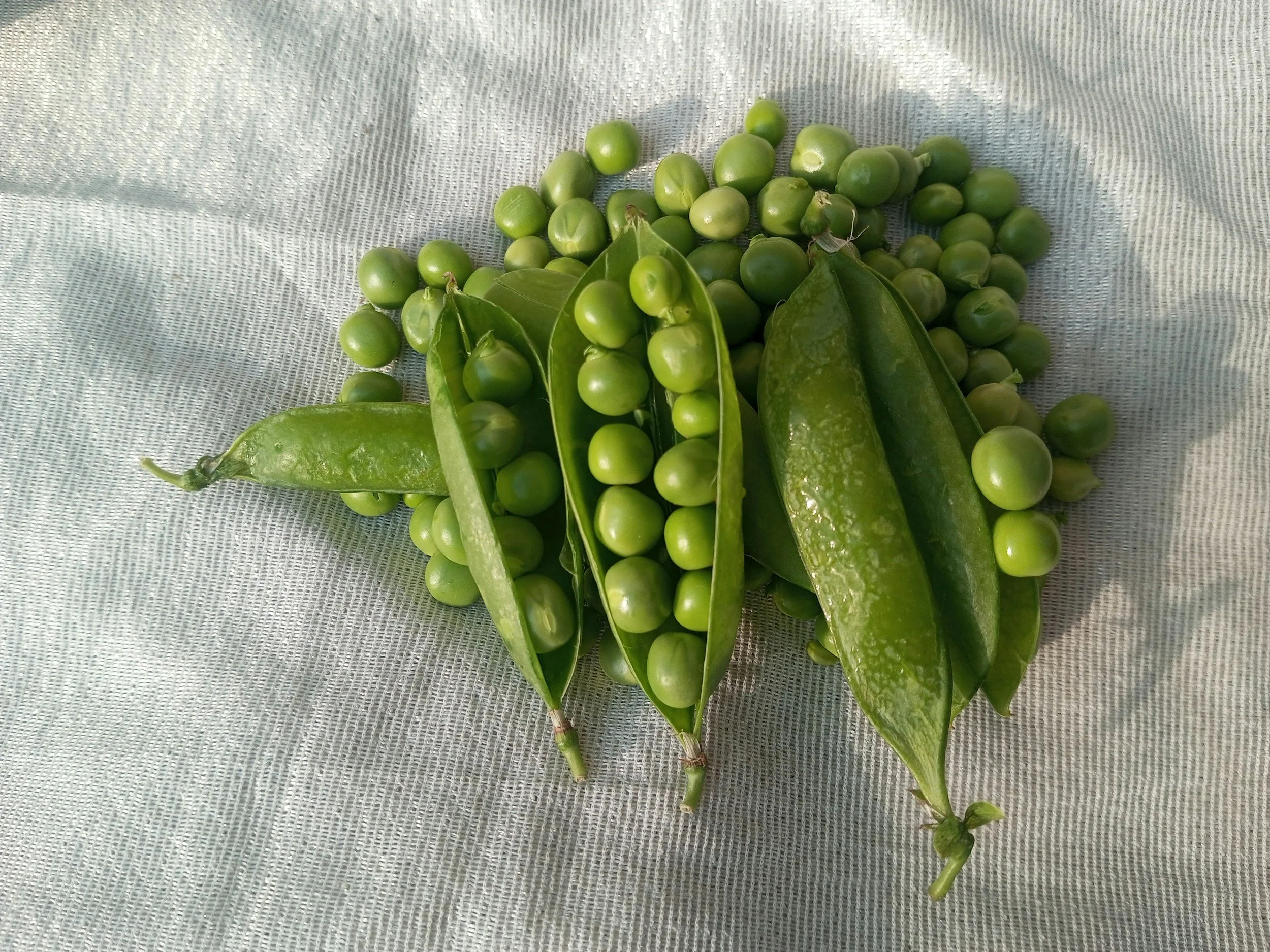
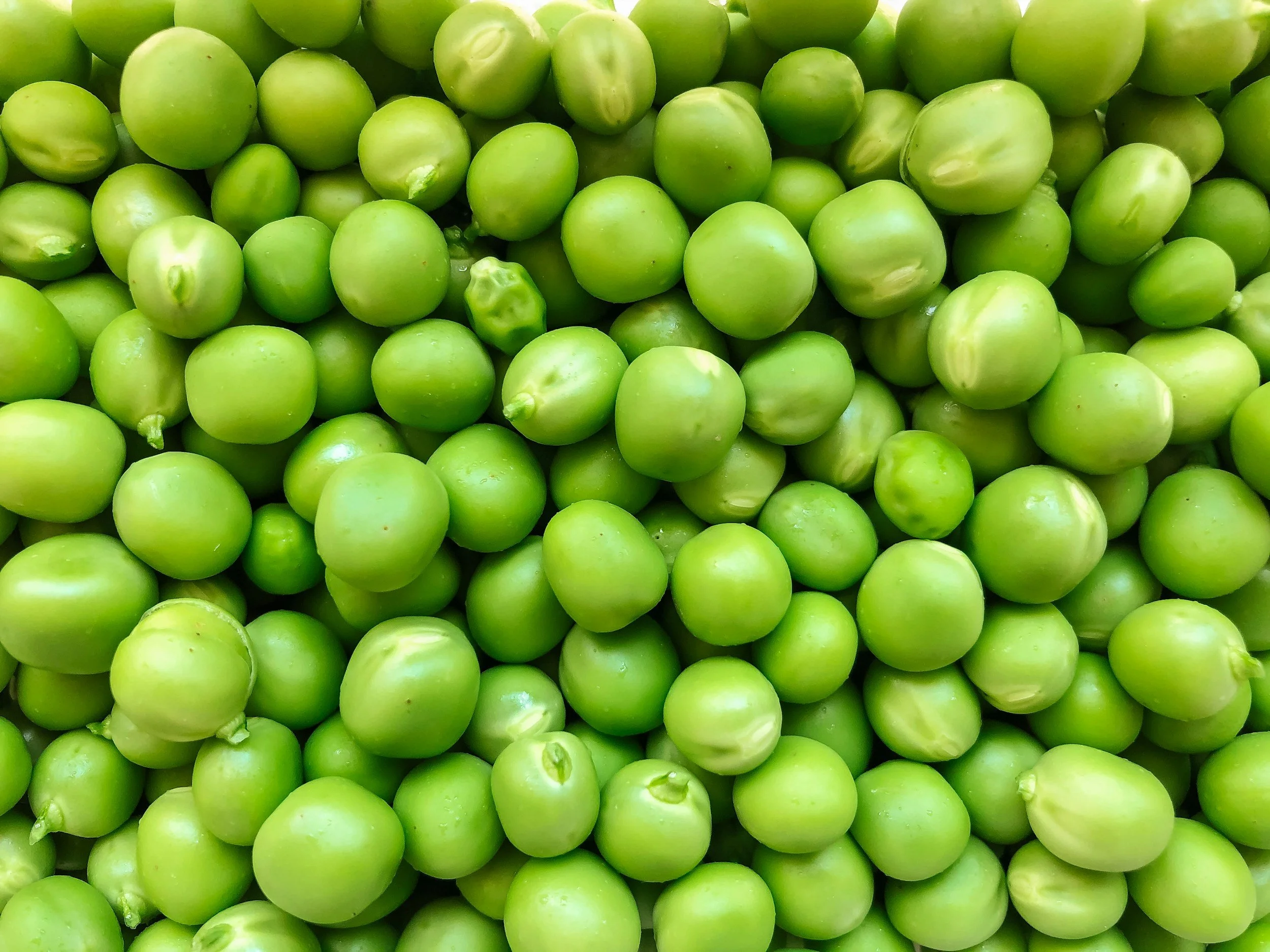
English peas, also known as garden peas or sweet peas, are a nutritious legume belonging to the Pisum sativum species of the Fabaceae family. Known for their vibrant green color, round shape, tender texture, and naturally sweet flavor, English peas grow inside smooth, elongated pods that are typically removed before consumption. Carefully harvested while young and tender, each pod generally measures approximately 5–10 cm in length, containing 4–10 round peas measuring approximately 0.5–1 cm in diameter. Their delicate sweetness and versatility make them ideal for steaming, sautéing, soups, salads, purées, and a variety of culinary applications.
Health Benefits
Good source of plant-based protein — Provides protein that supports muscle maintenance and overall body function.
Rich in dietary fiber — Supports healthy digestion, promotes fullness, and contributes to digestive wellness.
Provides essential vitamins & minerals — Including vitamin C, vitamin K, folate, manganese, and potassium, which support immune function, bone health, and overall wellness.

Parameter
Temp. 0–2°C (32–36°F)
Shelf Life 7-14 days
Pallet 300-320 Boxes
Relative Humidity 95-100%
Temp. 0–2°C (32–36°F) Shelf Life 7-14 days Pallet 300-320 Boxes Relative Humidity 95-100%
Creamed Peas

-
Prep Time: 10 minutes Cook Time: 15–20 minutes Servings: 4–6
Ingredients
For the Creamed Peas
3 cups fresh English peas (shelled)
2 tablespoons unsalted butter
2 tablespoons all-purpose flour
1 cup whole milk
½ cup heavy cream
½ teaspoon salt (or to taste)
¼ teaspoon freshly ground black pepper
¼ teaspoon garlic powder
½ teaspoon granulated sugar (optional, to enhance sweetness)
Optional for Extra Flavor
2 tablespoons grated Parmesan cheese
1 tablespoon fresh parsley, finely chopped
¼ teaspoon onion powder
A pinch of ground nutmeg
Optional for Serving
Freshly chopped chives
Additional cracked black pepper
Warm dinner rolls or toasted bread
Chef's Tip: Fresh English peas provide a naturally sweet flavor and tender texture, making them ideal for homemade creamed peas. If fresh peas are unavailable, frozen peas work just as well and can be added directly to the recipe without thawing.
-
Prep Time: 10 minutes Cook Time: 15–20 minutes Servings: 4–6
1. Prepare the English Peas: If using fresh English peas, remove them from their pods and rinse thoroughly under cold water. Bring a medium saucepan of lightly salted water to a boil.
2. Cook the Peas: Add the fresh peas to the boiling water and cook for approximately 3–5 minutes, or until tender but still vibrant green. Drain and set aside. If using frozen peas, cook according to package instructions.
3. Melt the Butter: In a large skillet or saucepan, melt the unsalted butter over medium heat until fully melted and slightly bubbling.
4. Prepare the Roux: Sprinkle the all-purpose flour into the melted butter, whisking continuously for approximately 1–2 minutes until a smooth paste forms. Avoid browning the flour to maintain a light, creamy sauce.
5. Add the Milk and Cream: Gradually pour in the whole milk while whisking constantly to prevent lumps. Add the heavy cream and continue stirring until the mixture becomes smooth and begins to thicken, approximately 3–5 minutes.
6. Season the Sauce: Stir in the salt, black pepper, garlic powder, and optional sugar. For additional flavor, add a pinch of onion powder or ground nutmeg.
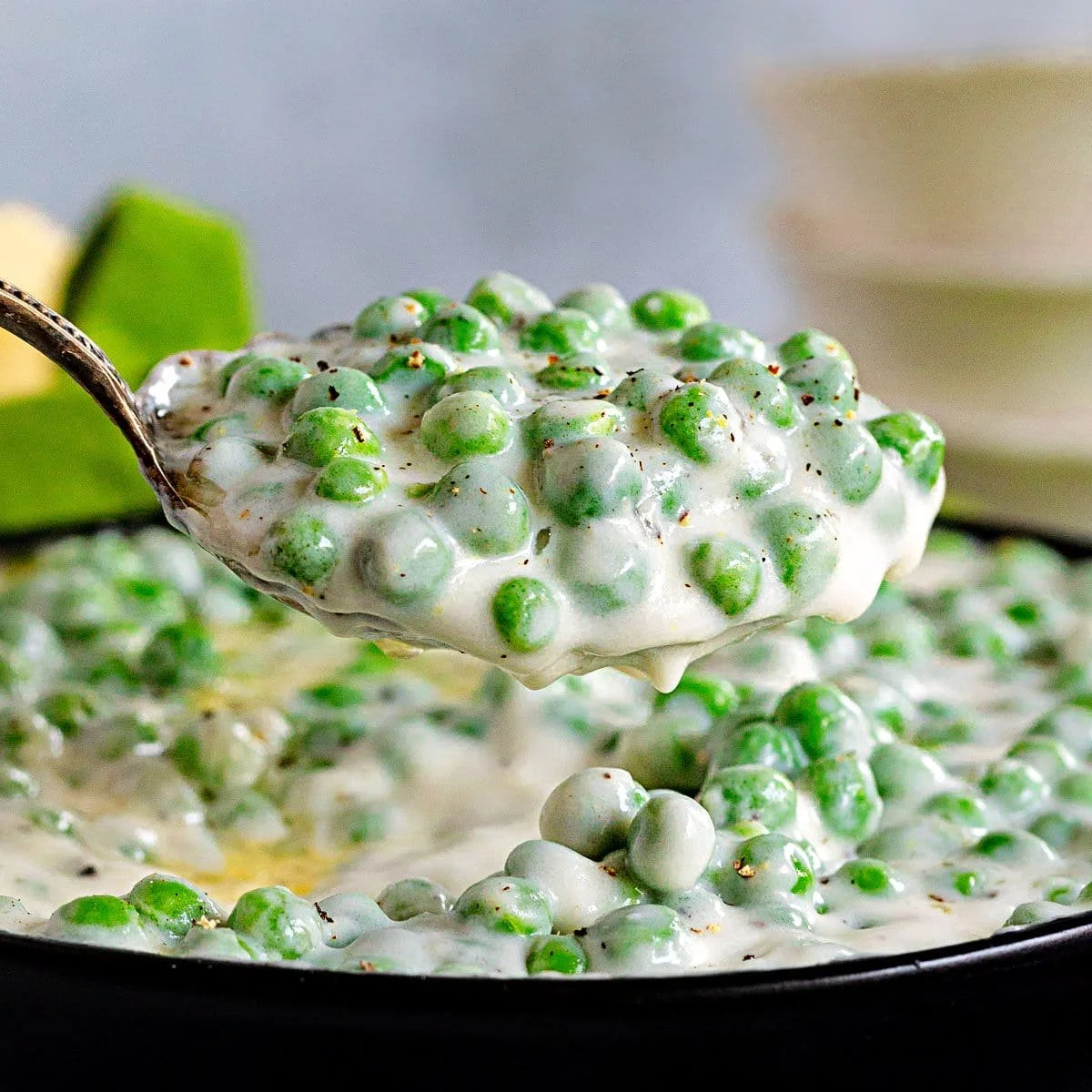
7. Combine the Peas and Cream Sauce: Gently fold the cooked English peas into the creamy sauce, ensuring they are evenly coated without crushing them.
8. Simmer Until Creamy: Reduce the heat to low and allow the peas to simmer in the sauce for approximately 3–5 minutes, stirring occasionally, until heated through and the sauce reaches a rich, velvety consistency.
9. Add the Finishing Touches: If desired, stir in the grated Parmesan cheese for extra richness. Sprinkle with freshly chopped parsley or chives for a touch of freshness.
10. Serve and Enjoy: Transfer the creamed peas to a serving dish and garnish with freshly cracked black pepper or additional fresh herbs. Serve warm alongside roasted chicken, grilled meats, mashed potatoes, or other favorite side dishes.
Chef's Tip: For an extra-smooth, silky sauce, gradually incorporate the milk while whisking continuously. If the sauce becomes too thick, add a splash of milk until the desired consistency is achieved.
-
CULTURE
The pea is known worldwide for playing a main role in Gregor Mendel’s experiments to support his theory of genetics in the latter half of the 19th century. Known as Mendel's law, his pea experiments are considered to be the beginning of modern genetics. In China, the leaves of the peas are considered a delicacy.
ORIGIN
They are believed to have originated from Asia. However, in the 17th century, new varieties were developed in England which led to them being called English peas.