
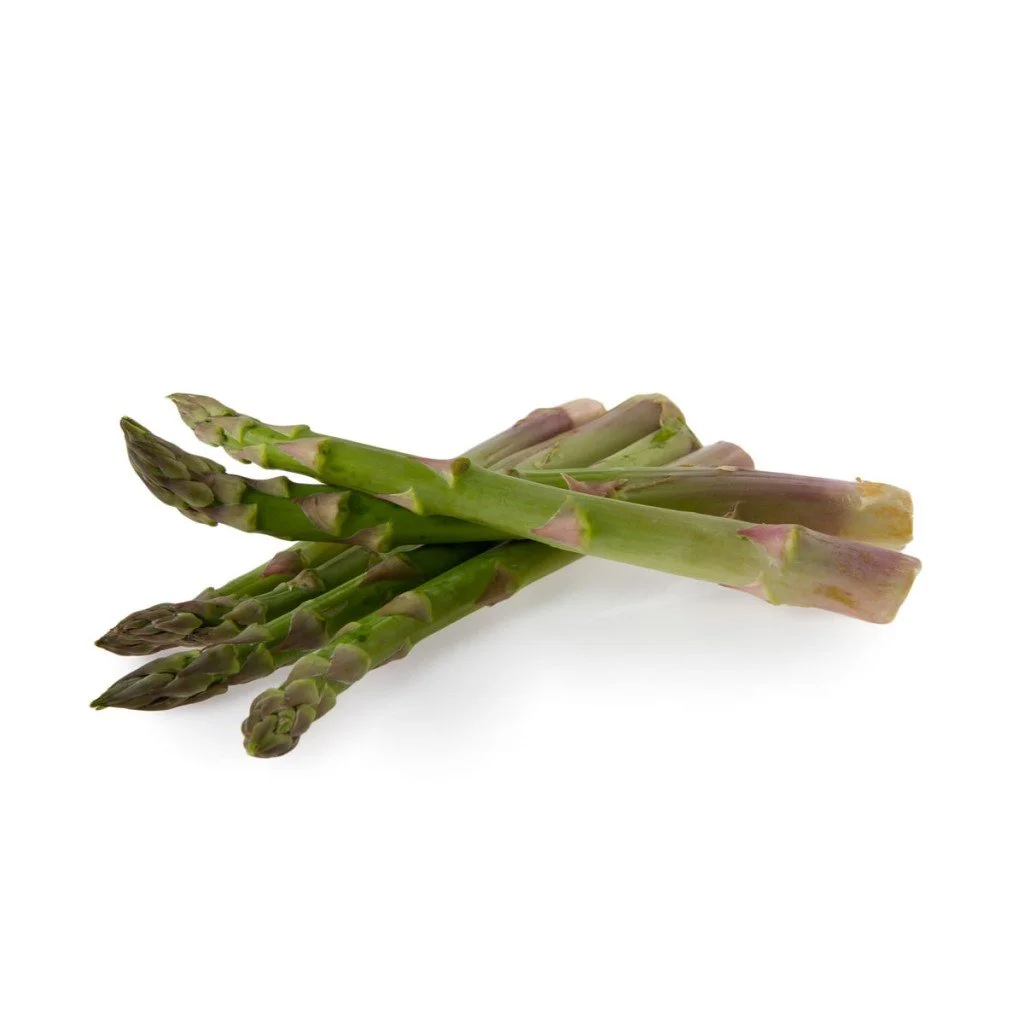
Green Asparagus
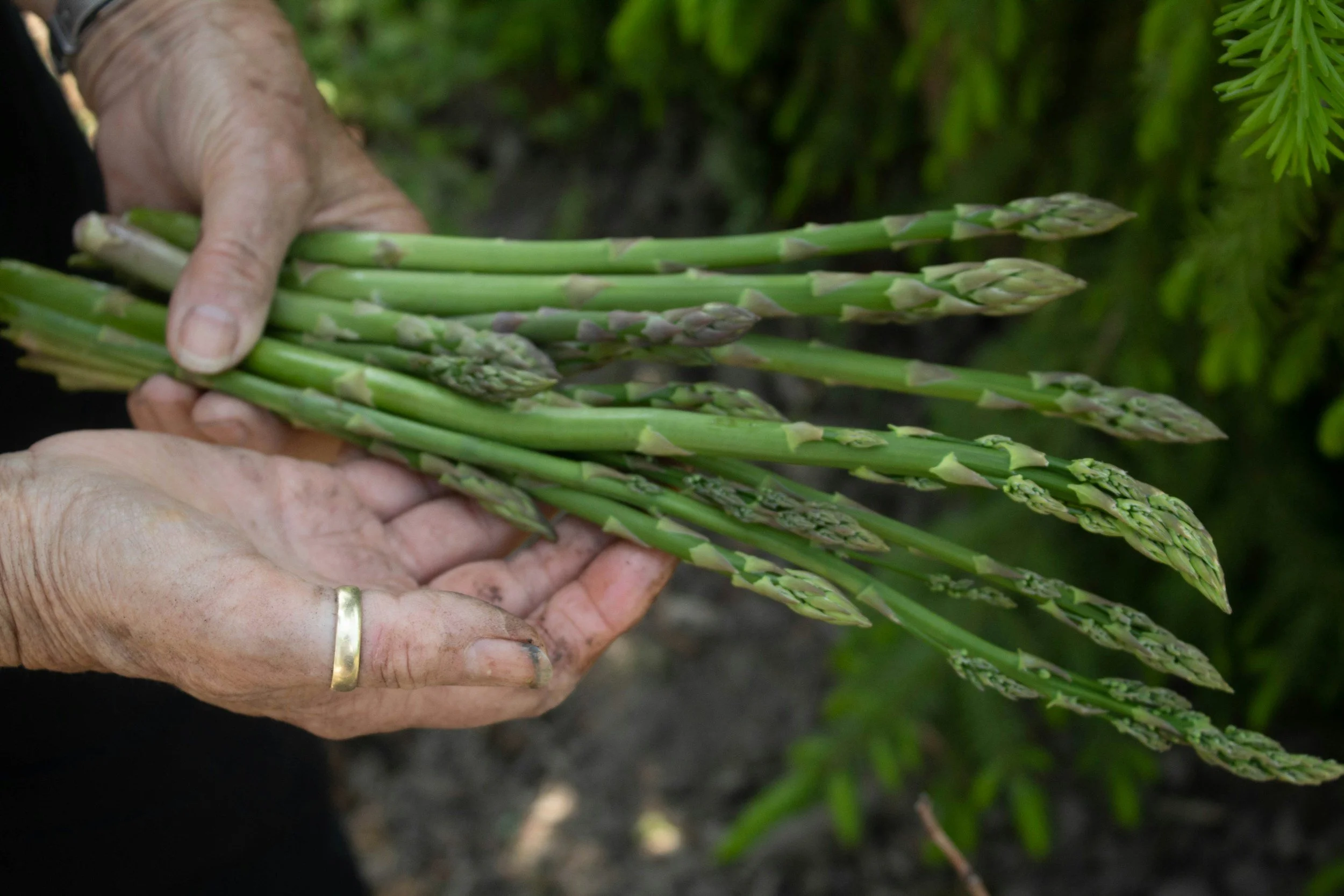
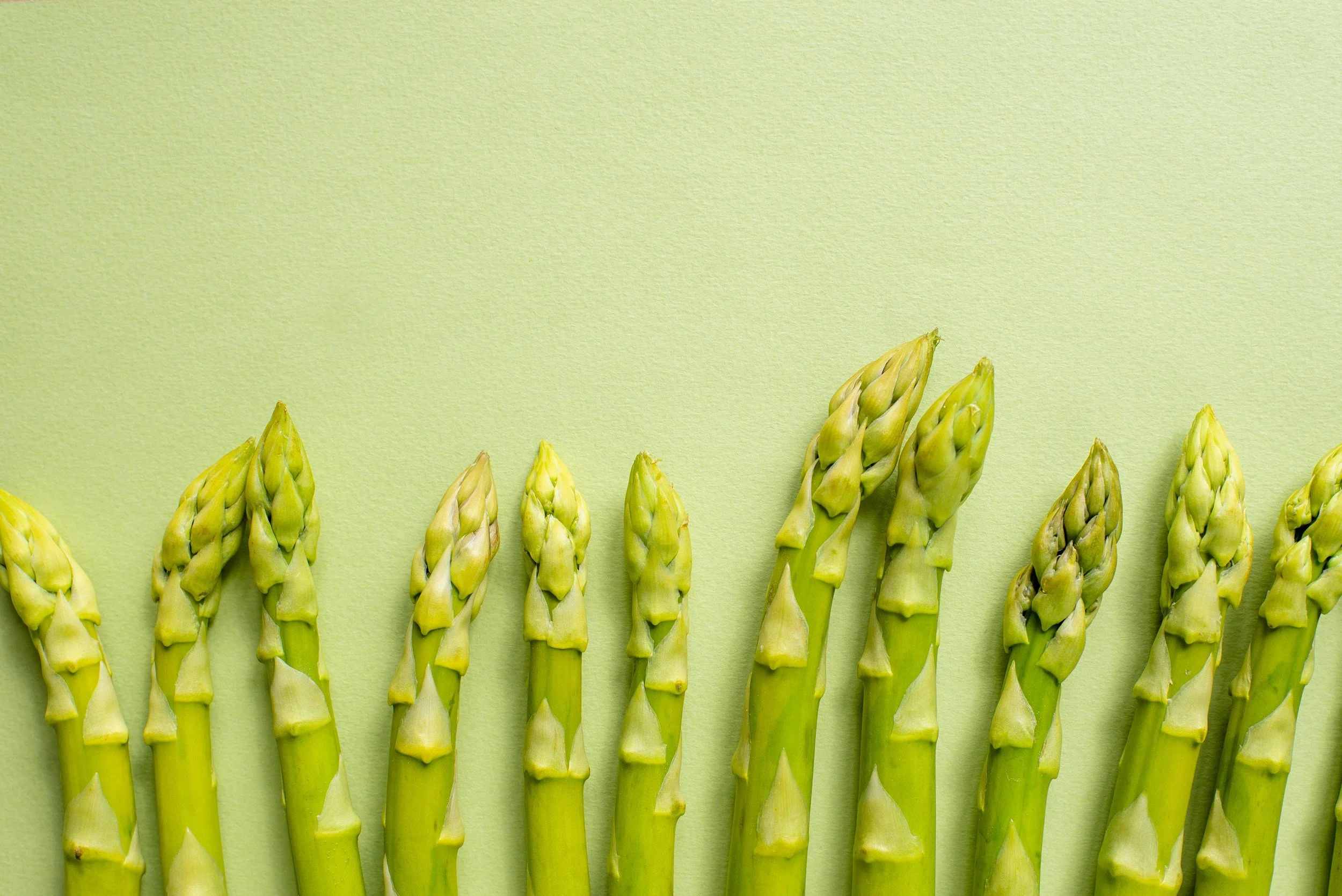
Green asparagus is a nutritious and versatile vegetable belonging to the Asparagus officinalis species of the Asparagaceae family. Known for its vibrant green color, slender stalks, tender tips, and mild, slightly earthy flavor, green asparagus develops its distinctive color through natural exposure to sunlight during growth. Carefully harvested while the spears are young and tender, each stalk typically measures approximately 15–25 cm in length and 1–2 cm in diameter, depending on the variety and growing conditions. Its delicate texture and fresh flavor make it ideal for grilling, roasting, steaming, sautéing, soups, salads, and a wide variety of culinary applications.
Health Benefits
Rich in antioxidants — Contains beneficial compounds, including flavonoids and vitamin C, that help protect cells from oxidative stress.
Good source of dietary fiber — Supports healthy digestion, promotes fullness, and contributes to overall digestive wellness.
Provides essential vitamins & minerals — Including vitamin K, folate, vitamin A precursors, vitamin C, and potassium, which support bone health, immune function, and overall wellness.

Parameter
Temp. 0–2°C (32–36°F)
Shelf Life 7-14 days
Pallet 300-320 Boxes
Relative Humidity 95-100%
Temp. 0–2°C (32–36°F) Shelf Life 7-14 days Pallet 300-320 Boxes Relative Humidity 95-100%
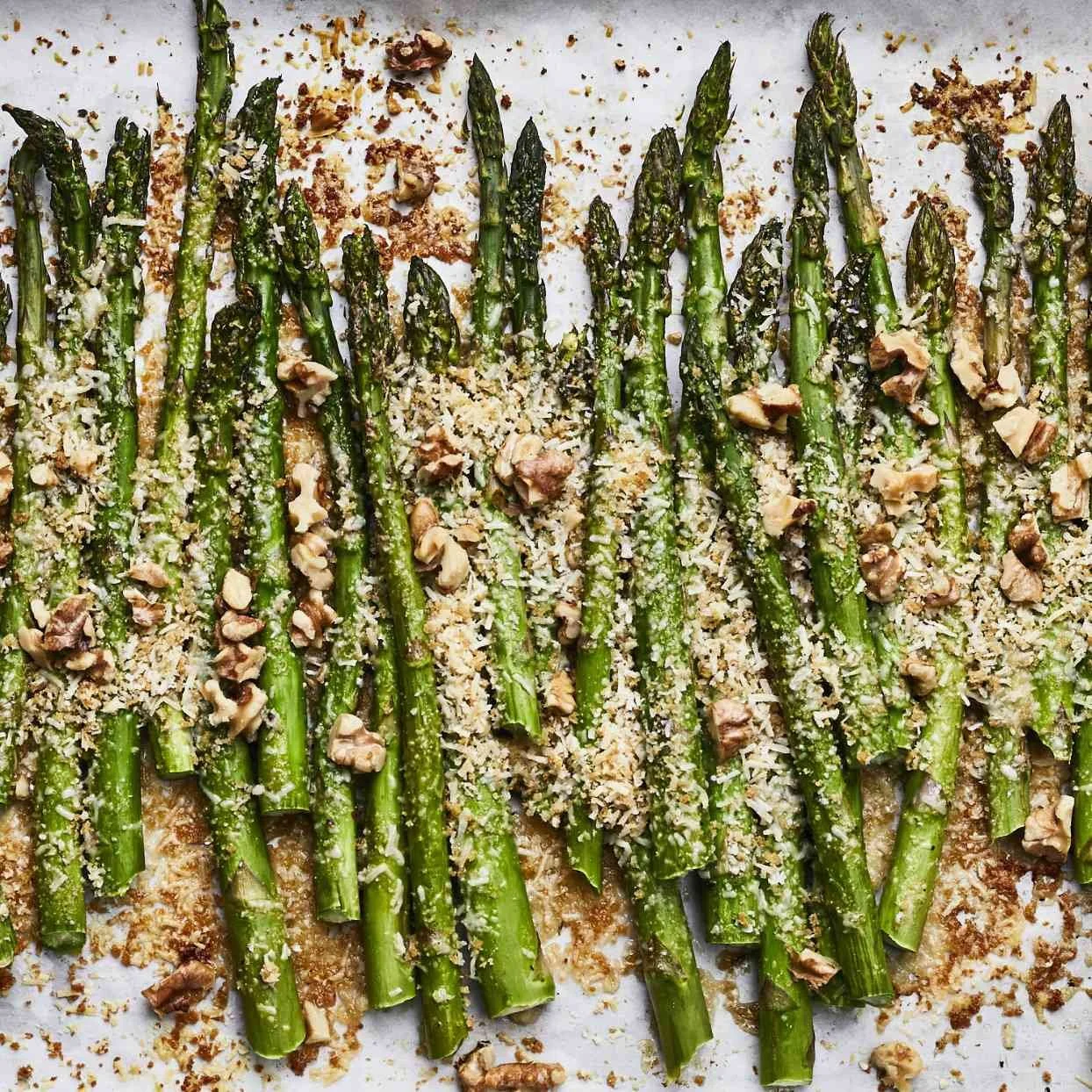
Garlic Roasted Asparagus

-
Prep Time: 15 minutes Pickling Time: 24–48 hours Servings: Approximately 1 jar (8–10 servings)
Ingredients
For the Pickled Ginger
½ lb (225 g) fresh young ginger root
½ cup rice vinegar
¼ cup granulated sugar
1 teaspoon salt
½ cup water
½ teaspoon additional salt (for preparing the ginger)
Optional for Extra Flavor
1 tablespoon honey (for a slightly sweeter taste)
1–2 thin slices of fresh beet (for a natural pink color)
1 teaspoon lemon juice (for a subtle citrus note)
Optional for Serving
Sushi and sashimi
Rice bowls
Stir-fried vegetables
Grilled fish or seafood
Asian-inspired salads
Chef's Tip: Young ginger is ideal for pickling because of its tender texture, thin skin, and mild flavor. It may naturally develop a pale pink color during pickling. For the best results, slice the ginger as thinly as possible using a mandoline or sharp knife. Store the finished pickled ginger in a clean, airtight glass jar in the refrigerator.
-
Prep Time: 15 minutes Cook Time: 5–10 minutes Pickling Time: 24–48 hours Servings: Approximately 1 jar (8–10 servings)
1. Prepare the Ginger: Wash the fresh ginger thoroughly under cold running water. Using a spoon or vegetable peeler, gently remove the thin outer skin. Slice the ginger as thinly as possible using a sharp knife or mandoline.
2. Salt the Ginger: Place the sliced ginger in a bowl and sprinkle with ½ teaspoon of salt. Gently toss to coat evenly and let it rest for approximately 10 minutes. This helps soften the ginger and reduce some of its sharpness.
3. Blanch the Ginger: Bring a small saucepan of water to a boil. Add the ginger slices and blanch for approximately 1–2 minutes for young ginger or 3–5 minutes for mature ginger. Drain thoroughly and allow to cool slightly.
4. Prepare the Pickling Liquid: In a separate saucepan, combine the rice vinegar, granulated sugar, 1 teaspoon of salt, and ½ cup of water. Heat over medium heat, stirring occasionally, until the sugar and salt have completely dissolved. Avoid boiling vigorously.
5. Add Optional Flavorings: If desired, stir in honey for additional sweetness or lemon juice for a subtle citrus note. For a natural pink color, add one or two thin slices of fresh beet to the pickling liquid.
6. Fill the Jar: Transfer the blanched ginger slices into a clean, heat-safe glass jar. Arrange them loosely to allow the pickling liquid to circulate evenly.
7. Pour in the Pickling Liquid: Carefully pour the warm vinegar mixture over the ginger, ensuring all slices are completely submerged. Gently tap the jar to release any trapped air bubbles.
8. Cool and Refrigerate: Allow the jar to cool to room temperature, then seal tightly and refrigerate. Let the ginger pickle for at least 24 hours, preferably 48 hours, to develop its characteristic sweet, tangy flavor.
9. Check the Flavor: After pickling, taste a small piece of ginger. The flavor should be pleasantly tangy, mildly sweet, and slightly spicy. For a stronger pickled flavor, allow it to marinate for an additional day.
10. Serve and Enjoy: Serve the pickled ginger alongside sushi, sashimi, rice bowls, grilled seafood, or Asian-inspired dishes. Use clean utensils when removing ginger from the jar.
Chef's Tip: For the most delicate texture, use young ginger and slice it paper-thin. Homemade pickled ginger should always be refrigerated, as this recipe is intended for refrigerator pickling rather than shelf-stable canning. For best quality, enjoy within 2 weeks.
-
CULTURE
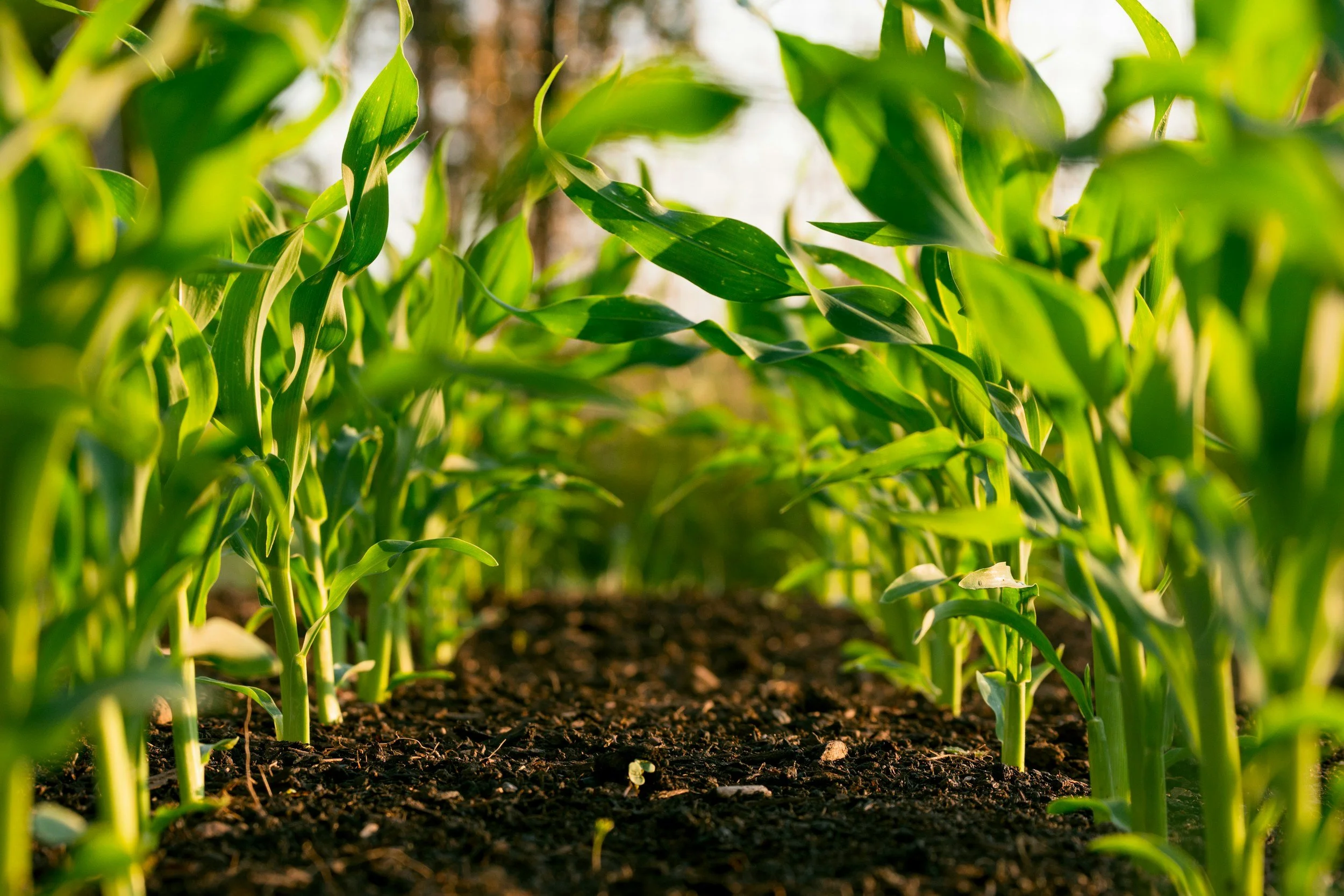
The National Asparagus Festival has been held for over 40 years in Oceana County (Michigan). This region is one of the main areas where asparagus is cultivated in the country.
ORIGIN
Its origin is associated with ancient Mesopotamia from where it spread to the Mediterranean and Asia Minor. From its beginning, green asparagus was used for its medicinal and therapeutic qualities.